


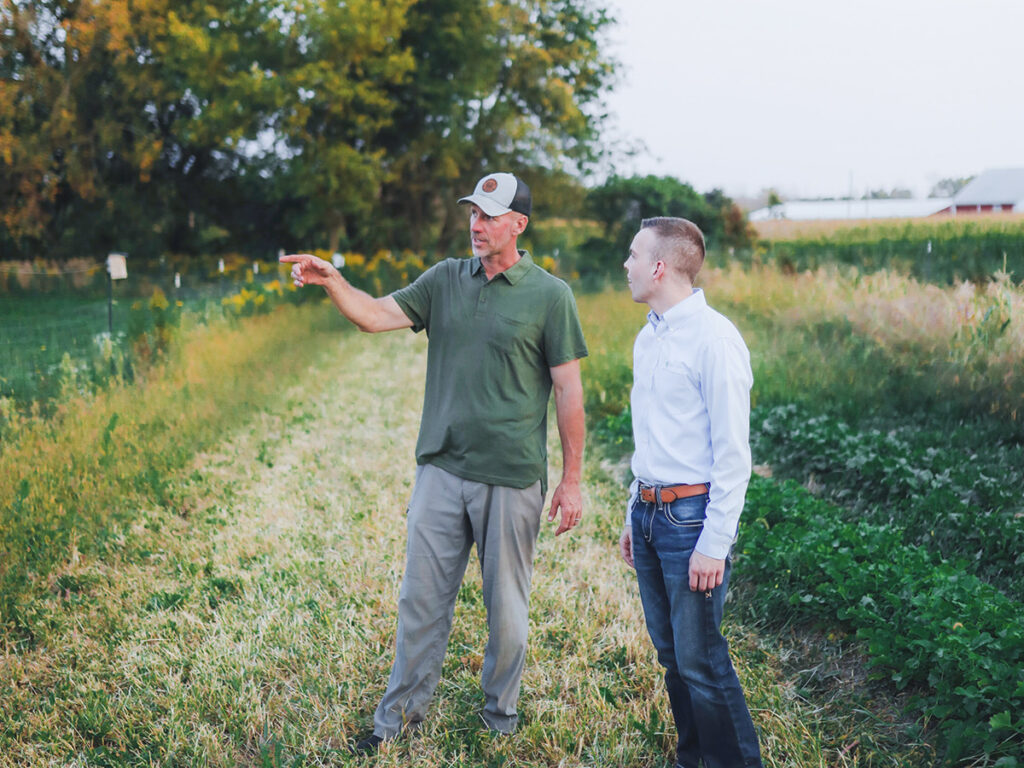

The agricultural legislative environment has been very active this spring and moving into the summer months. In D.C., Congress is actively moving through the Farm Bill process and the several Farm Credit priorities were included! Back in GreenStone’s territory, an urban agriculture tour in Detroit, MI was sponsored by GreenStone and attended by almost 30 people from the Michigan legislature and agricultural industry. Then in Wisconsin, there is a summer-long farm tour schedule to educate elected officials and keep them engaged. All these accomplishments have been aided by the foresight to build relationships and provide financial support through our political action committees (PAC).
The successful MI GreenStone PAC campaign was followed by deliberation on the recommendations for MI GreenStone PAC disbursements by the Board of Directors with perspective from our lobbyist partner Kelley Cawthorne and the legislative outreach team at GreenStone. Over 30 individuals were identified to be recipients of funds based on their agriculture background, commitment to growing Michigan’s agriculture economy and rural communities, and leadership in the Michigan legislature. Delivery of the funds has begun and some of the MI GreenStone PAC checks will be delivered in-district and in GreenStone offices to facilitate local connections.
In Wisconsin, the WI Farm Credit PAC contribution drive showed continued support from members. This is directly allowing the WI Farm Credit associations to collaborate and decide what legislators to support with PAC funds. Focus has been placed on legislators who have led policy efforts that are priorities for the WI Farm Credit legislative committee and understand the needs of our Wisconsin rural communities. We look forward to inviting members to participate in meetings.
The Farm Credit PAC has also been delivering contributions to federally elected legislators both state-side and in Washington, D.C. The Federal delegation in both Michigan and Wisconsin continues to be thankful for the outreach and support. The information and connections provided has resulted in strong and positive recognitions of Michigan and Wisconsin agriculture and Farm Credit.
Your GreenStone legislative outreach team remains committed to building relationships and communicating the policy needs of your rural communities and agriculture industry, and we are hopeful of workable solutions. But, without your support, we are not able to have as positive of an impact. You are commended for your initiative and commitment to the future of agriculture and rural communities in Michigan and Wisconsin!
To view the summer 2024 issue of Partners magazine in its entirety, click here.
In today’s environment, scams are increasingly sophisticated and pervasive. According to a recent FBI report, Americans lost a staggering $10.3 billion to internet scams in 2022, the highest amount in the past five years (FBI Springfield, 2023). This highlights the critical need for vigilance, particularly with scams arriving through the mail, which exploit public information meant to promote transparency but can also be used maliciously.
Public records, such as court documents, marriage certificates, and public mortgage records, provide details like loan amounts, interest rates, loan terms, and the institutions holding mortgage notes. This information is not only accessible to cybercriminals but also to businesses seeking to market their goods and services. For instance, many receive mail soon after closing a loan that references their mortgage details, appearing to come from their actual mortgage company but designed to alarm or suggest a better alternative.
How Scammers Obtain Your Information
Scammers can access your information in several ways:
- Purchase from Financial Service Providers: GreenStone does not sell customer information; some financial service providers do. These providers might sell your data to marketing companies that, in turn, use it to create targeted mailers. This information can include loan details, account balances, and transaction histories.
- Creditors and Prescreened Offers: Creditors often provide information to marketing firms once you meet certain credit criteria. These prescreened offers are sent based on your credit report, and scammers can exploit this practice by creating convincing but fraudulent offers that appear legitimate.
- Online Public Records: Scammers can use online tools to search public records. With just your name and property address, they can find mortgage details, property tax records, and other personal information. This data is then used to craft mailers that seem credible and relevant to your specific situation.
- Data Breaches: Data breaches at financial institutions, credit bureaus, or other organizations can expose vast amounts of personal information. Scammers use this stolen data to send highly personalized and convincing mail scams. For example, the Equifax breach in 2017 exposed the personal information of over 147 million people, which has since been used in various fraudulent schemes.
- Social Engineering: Social engineering techniques involve manipulating individuals into divulging personal information. Scammers might call you pretending to be from a legitimate financial institution, using the details they already have to gain your trust and extract more sensitive information.
- Phishing: Phishing involves sending fraudulent emails that appear to be from reputable sources. These emails often contain links to fake websites designed to capture your personal information. While primarily an email-based tactic, phishing can also be linked to mail scams when the mail directs recipients to visit a phishing website.
Examples of Recent Mail Scams
- Mortgage and Financial Mail Scam Scenario: One recent scam involved fraudulent mail that appeared to be from a well-known mortgage company. The mailer claimed that the recipient’s mortgage had been flagged for urgent review due to potential issues with their payment records. It provided detailed information about the loan, including the amount, interest rate, and lender name, making it look legitimate. The scam’s objective was to lure recipients into calling a provided phone number or visiting a spoofed website to “verify” their information. Once there, victims were prompted to enter personal details, which the scammers could then use for identity theft or unauthorized financial transactions. The Federal Trade Commission (FTC) has issued warnings about similar scams and provided guidelines on how to recognize and report them. For more details on this scam, you can visit the FTC’s consumer information page.
- Farm Equipment and Agricultural Mail Scam Scenario: Farmers and agricultural businesses are also vulnerable to scams targeting their industry. Recently, scams have involved fraudulent offers for farm equipment and supplies. These scams typically involve sending mailers that look like legitimate offers from well-known agricultural companies, promising significant discounts on essential equipment. When farmers respond, they are often asked to provide personal and financial information, which is then used for fraudulent purposes (Wells, 2021).For example, scammers have been known to create fake websites or bogus classifieds on legitimate platforms. They may provide a contract of sale, answer questions about the potential sale of machinery by phone or email or offer a free trial period once money is deposited into an escrow account, which is part of the scam (Dorenkamp, 2024).
Protecting Yourself from Mail Scams
To safeguard against these scams, consider the following strategies:
Recognize Junk Mail
Understanding how scammers get your information helps you recognize junk mail. Look for these signs:
- “Presorted” Postage Labels: This could be an indicator of junk mail, although reputable companies like GreenStone also use this streamlined postage option.
- All-Capitalized Words: Names, mortgage amounts, or lenders in all caps could suggest your information was sourced from purchased lists.
Trust But Verify
- Check the Source: Verify the sender before responding to any mail requesting personal information. You may want to call the sender, using your own contact information for them and not what is provided on the mail, to confirm validity.
- Be Wary of Alarmist Language: Scammers often use language designed to scare you into action.
GreenStone’s Commitment
GreenStone will never ask you via mail to update your confidential information or provide sensitive details such as PINs, account numbers, social security numbers, usernames, or passwords. We advise against responding to any mail requesting such information, even if it appears legitimate. If in doubt, contact us directly.
If you suspect fraud related to your GreenStone accounts, notify us immediately at [email protected] or call 855-895-2761 for prompt assistance.
Steps to Reduce Unsolicited Mailers
The Federal Trade Commission (FTC) suggests two primary actions to reduce unsolicited mailers:
- Opt-Out of Prescreen Offers: Call 1-888-5-OPTOUT (1-888-567-8688) or visit https://www.optoutprescreen.com
- National Do Not Call Registry: Register your phone number to reduce telemarketing calls by visiting https://www.donotcall.gov or calling 1-888-382-1222 from the number you want to register.
Additional Tips for Mail Security
- Shred Personal Documents: Shred any mail that contains personal information before discarding it to prevent identity theft.
- Monitor Your Mailbox: Check your mailbox regularly and be cautious of any unfamiliar mailers.
- Be Skeptical of Urgent Requests: Scammers often create a sense of urgency. Take time to verify the legitimacy of any requests before taking action.
- Use a Locked Mailbox: Consider using a locked mailbox to prevent mail theft.
- Report Suspicious Mail: If you receive suspicious mail, report it to the authorities and your financial institution.
It is important to keep yourself updated and alert to avoid mail scams. Always check the origin of any mail that asks for personal information and use the tools and resources you have to lower your risk of getting unwanted offers and possible scams.
To view the summer 2024 issue of Partners magazine in its entirety, click here.
Less than 10 years ago, Tricia Dennis was commuting to her job as a corporate attorney in downtown Detroit.
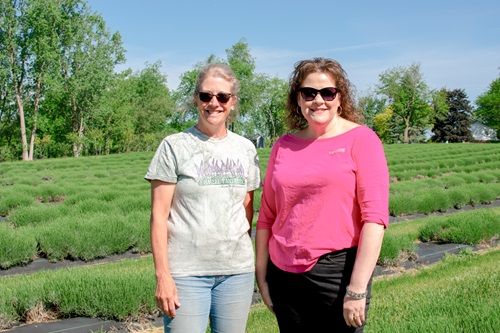
The former U.S. Air Force Captain spent more than 17 years commuting to her job. She was tired of the grind, so when her husband, Gregory, decided to start a lavender farm, she was completely on board.
“I joke that on April 30, 2017, I was in my business suit and heels behind a desk, and on May 1, I was sitting behind a tractor getting covered in dust and putting in flower beds,” she said. “I’ve enjoyed it immensely. I don’t miss the commute or the corporate life at all.”
In 2017, Tricia was able to quit her job and take over as owner/operator of the lavender business. Located in Imlay City, Michigan, it opened to the public in 2018. The business is both veteran-owned and woman-owned, a rare combination in agriculture.
“I’ve come across several operations owned by women, but I don’t know that I’ve met another farm that is both women- and veteran-owned,” Tricia said.
Trish loves to be on the farm working the garden and pruning the lavender during the summer months. She believes in naturally sustainable farming and works to use best practices for the lavender and honeybees. Everything on the farm is all natural, and there are no chemicals used on the plants.
Tricia and her husband have two active children, Wren and Trace, an upcoming senior and sophomore, respectively, who are also active on the farm.
About the farm
The farm features nine varieties of lavender made up of six lavandula angustifolias and three lavandula x. intermedia.
“Lavandula is a genus of 47 known species of flowering plants in the mint family,” Tricia said.
In 2018, several breeds of feathered friends joined the Indigo family. Silkies, chickens, ducks and even peacocks enjoy the southwest corner of the farm. Silkies are a breed of chicken named for their fluffy plumage which is said to feel like silk and satin.
There is also a large honeybee population on the farm, who stay hard at work making delicious lavender honey. There are nearly 500,000 pollinators on the farm, and they are an important part of the farm ecosystem.

A period of growth
In the first year, Indigo Lavender Farms had just under 4,000 plants, and by 2018, it had more than 10,000 plants. Today, the farm boasts more than 14,000 plants and is considered the largest lavender farm in Michigan with six fields and nine varieties. The average lavender farm in Michigan is less than 1,000 plants.
The farm has added more flowers over the last few years, giving a variety of blooms in the spring and fall as well.
The farm itself is 50 acres and not only home to the purple flowering plants but also a farm store with local-artisan-made goods, a greenhouse, garden, chicken coop, wetlands and more.
“Lavender is naturally drought- and pest-resistant; however, we must weed and nurture our plants by hand to ensure their health and productivity,” she said.
After a few years, the couple had more lavender than they knew what to do with, so they started selling products at local markets.
Today, Indigo Lavender Farms is much more than a farm. Visitors are able to pick their own lavender. There are also a number of photoshoots that happen on the property for weddings, engagements and senior photos. They are also a great venue for wedding ceremonies and receptions.
Indigo is also host to several festivals throughout the year, including Lavender Daze July 19-21, which includes several workshops, wreath-making classes, lavender planting, vendors, live music and more.
The farm employs three people year-round, and has as many as 12 employees during peak season, which is mid- to late-June through the middle of August.

Support from the community
Tricia said that the couple has received a lot of support and encouragement from the community, other lavender growers, the USDA and GreenStone Farm Credit Services.
“I feel fortunate with my background as a lawyer because I had some knowledge about running a small business; however, it is very challenging. I’ve learned a lot about the farming and the business side as well,” she said.
Tricia said she and her husband approached the USDA for a farm ownership loan, and as part of the requirements, they needed to bring in a banking partner.
“We were referred to GreenStone, and the experience has been outstanding,” she said. “They have terrific customer service and lots of options and alternatives to assist in terms of repayments or refinancing.”
GreenStone was Indigo’s finance partner together with the USDA for the original farm loan. They later approached GreenStone when they wanted to acquire more property for the farm. Before they knew it, Indigo quickly grew from 27 acres to 50 acres, which resulted in a second loan with GreenStone.
Tracy Jelinek, senior financial services officer for GreenStone, said she has been involved with helping to expand Indigo Lavender’s footprint with additional financing for an office building, additional acreage and the Dennis’ primary residence, which is located on the farm.
“Having previously been a Captain in the Air Force and a corporate attorney, Tricia is very organized and detail-oriented,” Tracy said. “She’s good with numbers, and when I became involved, their business was already established, so that helped making the analysis process a lot easier.”
Indigo Lavender was the first lavender farm that Tracy worked with, and she has since worked with several other similar farms.
“I can reach out to Tricia and bend her ear,” Tracy said. “She’s very visible in the public and is able to share her experience, the pros and cons and rewards and successes as she grows her business.”
“GreenStone has been fabulous,” Tricia added.

Making the move
Tricia had never been involved with an active farm, but she has found she enjoys it much more than her former day-to-day corporate life.
As for advice to those wanting to get started in agriculture, Tricia said to do your research first.
“We did quite a bit of research into what type of crop to plant, which ones were hearty and what climate they require,” she said. “Farming can be challenging but also very rewarding. There are many things out of your control, like the weather, so don’t be too hard on yourself.”
To view the summer 2024 issue of Partners magazine in its entirety, click here.
Coverage for your death benefit needs now, while also covering long term care expenses later on your own terms.
Not long ago the only way to protect against the risk of long-term care expense was through the purchase of a traditional long-term care insurance policy. Many people did not like the “use it or lose it” nature of the product and the instability of the premium increases.
Alternatively, Life-Link Long Term Care coverage provides invaluable protection for individuals and families, offering financial assistance by covering death benefit needs, but also living benefits to cover the costs associated with long-term care services.
- Life insurance today to cover debt and replace income.
- Coverage later to pay long-term care expenses.
- Tax free death benefit for beneficiaries.
Coverage if you need it, all your money back … either in long-term care expenses or in death benefit!
However, the value of such coverage extends far beyond monetary benefits; it provides peace of mind, security, and the ability to maintain dignity and independence in later stages of life.
Here are some key values associated with Life-Link Long Term Care coverage:
1. Legacy Protection: Many farmers have a strong desire to preserve their farming legacy and pass it on to future generations. However, unexpected long-term care costs can quickly erode the assets they’ve worked hard to build over the years. Life-Link Long Term Care insurance helps protect their legacy by ensuring their assets remain intact for the next generation, even if they require expensive long-term care services.
2. Financial Security: Farming often involves physical labor and exposure to various risks such as accidents, injuries, or health issues due to long hours and strenuous work. Life-Link Long Term Care policies provide death benefits to cover debt, farm transitions, and related expenses, but also provides financial protection by covering long-term care costs, including nursing home care, home health care, or assisted living facilities. This helps farmers ensure that they have access to quality care without depleting their savings or assets.
3. Maintaining Independence: With adequate coverage, individuals can afford to receive care in the setting of their choice, whether it’s in their own home, an assisted living facility, or a nursing home. This autonomy is crucial for maintaining a sense of independence and quality of life as one ages.
4. Access to Quality Care: Having long-term care coverage can increase access to high quality care services, as individuals can afford to choose reputable providers and facilities that best meet their needs.
5. Flexible Coverage Options: Many Life-Link Long Term Care policies offer flexible coverage options, allowing individuals to tailor their coverage to their specific needs and budget.
6. Peace of Mind: Farming is not just a job; it’s a way of life for many families. Knowing they have long-term care and life insurance in place can offer peace of mind to farmers and their families, especially as they age. They can focus on running their farm operations without worrying about the financial implications of potential long-term care needs.
7. Tax Benefits: Long-term care insurance premiums may offer tax advantages. Farmers can potentially benefit from tax deductions or credits associated with their long-term care insurance premiums, providing additional financial relief.
Overall, Life-Link Long Term Care insurance provides farmers with the financial security and flexibility they need to protect themselves, their families, and their farming legacies against the uncertainties of long-term care expenses.
GreenStone and FCS LifeExpress are your trusted resource to provide information and experience to answer all your questions, and provide life, disability and long-term care solutions.
To view the spring 2024 issue of Partners magazine in its entirety, click here.
Sometimes, all you need is a quick get away from the hustle and bustle of the city to enjoy the peace and quiet of nature. For Melissa Potvin and Michael Schaub, that was just a short drive from Traverse City to 80 sprawling acres in the woods where they can escape to and unwind.
Initially, Melissa thought she may find land on which to build a house, but she and Michael Schaub discovered an 80-acre property with a rustic cabin, perfect for weekend adventures of four-wheeling, hiking, camping and hunting.
The property doesn’t have electricity or water, and Melissa and Michael hope to fix up the cabin to make it usable.
“Right now, I wouldn’t sleep out there, and we want to fix it up in order to be able to do that,” she said. “Building on the property would be costly, so I don’t know if that’s in the plans for the future or not.”
Melissa said the pair visited the property several times over the winter to decide if they wanted to purchase it. Ultimately, they decided it would be the ideal spot for their recreational wishes.
“We wanted the property for recreational purposes,” Melissa said. “It’s a very wooded area and swampy. We know we would be able to make the 25-mile drive about every weekend to spend time there.”
However, just before closing on the property with GreenStone Farm Credit Services, Melissa and Michael found another 40-area parcel adjacent to the 80 acres.
In a last-minute conundrum, Melissa wondered if she and Michael could buy both at the same time.
Partnering with GreenStone Farm Credit Services
When Melissa and Michael found the second property, they wanted to be able to purchase both at the same time, which is somewhat unusual from a financing perspective.
“I had only heard about GreenStone, because I had a friend who worked there many years,” Melissa said. “We were referred to GreenStone by our realtor.”
Melissa, who said she didn’t have any experience with land loans, contacted a few lenders, but in the end, GreenStone was the most responsive and answered all of her questions.
“That’s why I picked GreenStone, it was how helpful they were in answering my questions, and how quick and responsive they were when I needed them,” she said. “Plus, the closing was quick. We closed in less than a month,” she said.
With the initial sale of 80 acres, plus their desire to purchase the additional 40 acres, Melissa and Michael asked GreenStone if they could close on both at the same time to save on closing fees.
Brent Voss, VP of lending at GreenStone, and his team went to work, got everything revised, and the pair was able to purchase both properties together and close at the same time under one loan.
“One of the unique things GreenStone does is that we can combine multiple properties into one loan, and we are able to because of the way we do lending,” Brent said. “Melissa was great to work with, and she was very responsive when I needed items from her like her financials. She was also very responsive when I had questions about what they were looking to do and the property itself, which made the process a lot easier.”
Brent said that Melissa’s and Michael’s property is unique in that there’s an older cabin on one parcel and swampy land on another. However, lending for unique properties is one of GreenStone’s expertise.
“Country living lending is a broad coverage term that GreenStone uses for people living in the country away from an actual city. Our land financing options can be used for vacant land, residential land in the country, small acreage parcels, large parcels, part-time farms and even horse facilities,” Brent said.
Aside from GreenStone’s communication and ability to quickly join the two properties together on one loan, Melissa said she appreciates that it’s a co-op. As a cooperative, GreenStone is owned by the customers it serves, so it inherently works in their collective best interest.
“I didn’t know at the time when I picked them that GreenStone is a co-op that is ag-focused and offers rural lending services,” she said. “I didn’t know that until after closing, but I like that part of it.”
Melissa said if she needs another loan or financial services, she will likely use GreenStone again.
“GreenStone gave me all the information I needed to know,” she said. “If in the future something were to happen, I would probably use GreenStone.”
Enjoying their new oasis
Melissa said the pair enjoys getting away from the city every weekend, and with it only being 25 miles from her primary home, the drive is convenient.
“We don’t have to travel too far,” she said. “We can go after work, hang out and come home. It’s nice to get away and enjoy nature and lots of animals.”
Looking toward the future, Melissa is excited to get the cabin ready for overnight stays.
“Fixing up the cabin would be nice,” she said. “We want to be able to camp out there during the summer and snowshoe in the winter. There’s also a lot of fallen trees, so we’re focused on a lot of clean up right now.”
To view the summer 2024 issue of Partners magazine in its entirety, click here.
Here’s a challenge to consider: a first-time visitor to Michigan has only one week to see as much of the state as possible and you are their tour guide. Where do you take them and what do you show them?
Just last summer, I accepted that particular challenge when my cousins from Oklahoma took me up on my annual invite to come visit Michigan. They would bring their three kids, drive to our place in southeast Michigan and stay for six days. Excited to show them our Great Lakes State for the first time, I needed to design a road trip that was efficient in seeing as much as possible without being exhausting. After all, a vacation should be stress-free and relaxing! As much as I would have loved for them to experience the Upper Peninsula, I knew it was virtually impossible to get there and back with time to see it all. So, my husband and I made a game plan to stick to the Lower Peninsula with the promise that our cousins would need to come back another time for a U.P. tour.
Their first evening in town was the perfect opportunity for a relaxing boat ride on Lake St. Clair, complete with a stop at our favorite swimming hole, and then some casting for bass. The next day, we loaded up and hit the road, where our first stop was the town of Clare. We visited the Michigan Welcome Center and then shopped at Jay’s Sporting Goods. Continuing north and west, we stopped for a quick tour of the Platte River State Fish Hatchery in Beulah, and then headed to the Sleeping Bear Dunes National Lakeshore. The kids were able to stretch their legs and expend some energy climbing in the sand while the adults took in the majestic views only the dunes on Lake Michigan can offer. We cooled off at a beautiful little beach in the town of Empire, and then made our way to Petoskey to spend the night.
The next morning was spent exploring downtown Petoskey for shopping, dining, and watching a few residents fish from shore near the local marina. Next, we made our way to the top of the mitten and hit Wilderness State Park for swimming, a picnic lunch, sunbathing and beach combing. Then it was onward and upward to Mackinaw City for some of their famous fudge, window shopping and ice cream, and of course, a stop at the water’s edge for some photos of the mighty Mackinac Bridge. We continued on to the town of Cheboygan for a great dinner and some time on the river before calling it a night. In the morning, we packed up and made our way down the sunrise side of the mitten. We stopped at Frank’s Great Outdoors in Linwood, then Pinconning for some world-famous cheese, and arrived back at our house with time to grill some venison burgers and toast up some marshmallows for s’mores.
Whew! Are you tired yet? We were, so we recuperated at home for a couple of days, and took some shorter day trips in the area. We explored Port Huron, St. Clair and Marysville, and caught a few walleye in the St. Clair River. Our cousins headed back to Oklahoma with a whole new idea of what we have here in Michigan, and just how incredible this water wonderland really is! There is SO much more to do and see here, and they did promise to return for another adventurous visit. Maybe this is the summer to make your own list of the perfect Michigan road trip, and then with or without newcomers, get out and experience this precious and awe-inspiring state we are lucky enough to call home!
To view the summer 2024 issue of Partners magazine in its entirety, click here.
The summertime is the best time to enjoy the outdoors, the sun is out, grasses and flowers are tall, and lakes are great to cool off in! There’s no better time to enjoy the beaches or national parks; but there are some risks with spending time outdoors in the summer. There are many precautions available to protect you and your skin this summer while enjoying the outdoors.
Keeping an eye out for the ultraviolet radiation (UV) level when you check the weather is important, the UV comes from the sun and penetrates clouds and reflects off surfaces like water or sand. A UV level of 0-5 is considered low and medium recommending sunscreen. Experts tell us a UV level of 6-10 is high, recommending also wearing hats and finding shade. Any UV over 11 is considered extremely high, with many precautions advised for going outside during the peek hours from 10 a.m. to 4 p.m. While applying sunscreen often is a great idea, there are a few other things that can give you additional protection from the sun, like wearing hats, long sleeved shirts, and using an umbrella.
Long grass, shrubs, and standing water are places bugs like mosquitos and ticks thrive. Experts suggest it’s best to cut back long grass, brush, and shrubs to limit tick populations and reduce standing water surrounding your property to avoid it being used as a home for mosquitos. Bug spray, certain aromas, or long sleeved shirt and pants are the best protection when visiting these types of areas. When camping or having a outdoor gathering, consider keeping food and liquids in airtight containers as to not attract more bugs. When returning inside, it’s important to check yourself for ticks as tick-borne illnesses are common in the summer.
Taking steps to protect your skin is most important, but if you do end up sunburnt or bitten by a bug, there are quite a few things you can do to ease the burn or itch. Aloe vera is a great solution for both issues, its inflammatory properties help ease the itch of a mosquito and the burn from the UV. You’re able to get it in premade gel or an entire plant to grow and harvest when you need it! If bitten by a tick you should wash the site with antibacterial soap or hydrogen peroxide and monitor it as it heals. Calamine lotion or hydrocortisone are also great alternatives to sooth a bug related itch.
Whether it’s on the fields, beach, or deep in the woods, it’s vital to stay protected no matter the conditions. The more precaution taken prevents many of the risks associated with long periods of time outside. Using some of the methods above we hope you enjoy a fun filled summer outdoors while staying safe!
To view the summer 2024 issue of Partners magazine in its entirety, click here.
In North America, Lyme Disease is on the rise and scientists have a suspicion of why: the tick.
Since the early 2000s, diagnoses of Lyme disease has increased by over three times. With summer approaching, there are a lot more outdoor activities with family, friends, and pets. This is when we start worrying about bug bites, and ticks are close to being the most gruesome of them all. Ticks thrive in tall grassy areas and in the woods. They are most normally found on pets since they brush up against bushes, trees, and tall grass, but they attach to humans as well.
We have some tips from the CDC (Center for Disease Control and Prevention) to help prevent tick bites and ways you can keep them out of your yard.
Tips for Ticks on Humans:
- Treat your clothing. There are multiple options for treating your apparel to go out into the outdoors. One of the best options is using Permethrin, which is an insecticide for preventing ticks from coming near you. You can also use any other kind of insect repellent to keep them away from you.
- Know ahead of time where to expect the presence of ticks. Ticks are known to live in tall grass and bushes, and even on certain wild animals. If you are going to be around these areas, either try and avoid the possible hot spots or spray yourself with repellent ahead of time.
- When you come inside, check your family immediately for ticks and shower. Right before you come inside, it is recommended that you check your entire body. If you can get into a shower after being around an area that is known for ticks, do it. Taking these steps will help prevent them from being on your body for too long before they become attached.
Tips for Ticks on Pets:
- Talk with your veterinarian. Your vet will know your breed of pet the best and will tell you the best ways to prevent them from getting ticks.
- Purchase flea and tick medicine for your pet. It is a good idea to start your pet on flea and tick medicine in the spring, and repeat application throughout the summer. These are the times where you and your pets will be outside the most and in these grassy areas.
- Check your pets for ticks every day. It is a good idea to check your pet for ticks before they come back inside. Look around their ears, on their head, by their tail, by their toes, and under their collar. This is where ticks are most likely to be found.
Tips for Keeping Your Yard Tick-Free:
- Mow your lawn often. Ticks tend to hide in tall grass areas. Keep your lawn mowed, and trim grass around it to discourage ticks from gathering in your yard. This will help keep them off your pets as well!
- Keep lawn furniture and playground sets away from tall grass. Having lawn furniture out in the summer is so nice – but not when you get infested by bugs and ticks. Keep it on the patio and away from tall grass. The same goes for the playground set; keep it more toward your house and not near the edge if there is tall grass.
- Store wood in a dry area. If you are using wood for bonfires, keep it neat and dry. Ticks like wet wood and attach. Ticks like the wet wood and attach to it easily.
Ticks have been on the rise again this year. It is important that you keep an eye on your pets, children, and even yourself this summer! These are just a few tips on how to do so. For more information about the prevention of ticks, visit the CDC website.
Sources:
Preventing tick bites
Avoiding Ticks
To view the article in the online 2021 Summer Partners Magazine, click here.
Northern Michigan and Wisconsin are some of the top areas known for their vacation opportunities. Most people enjoy the beautiful sights these states offer at various times of the year. Some enjoy it so much they have vacation homes in these areas! If you are looking to escape the hustle and bustle of your everyday life to enjoy the beautiful sights in your own rural getaway, here are some things to think about before purchasing!
Pros:
Having a private getaway
Owning your own slice of paradise in your favorite vacation spot means you won’t have to worry about hotel fees or sharing a campground with people you may not know. You can visit your paradise each year as often as you’d like and build memories that will last a lifetime with your family! Also, you will have the flexibility to choose when you want to visit that best fits your schedule. No check-in or check-out times required!
Investing in your future
Land does not depreciate in value like vehicles and campers, so investing in something like land or a second home will help increase your family’s assets. Not only is buying the property itself valuable, but you could choose to rent it out for others to enjoy when you’re back home. This will give you a little extra cash and you can still choose when you want to visit your getaway.
Cons:
Keeping up on maintenance
It can be hard to keep up on the maintenance of your property with lawn care or cleaning, when it is not your primary residence. If you decide not to hire a company for these general upkeeps, you will need to take time out of your vacation for these things. This can delay your relaxation time until your chores are done.
Singular Location
Some enjoy the variety of travelling and seeing new places. When investing in a rural getaway, you will be visiting the same vacation spot each time. If your rural getaway is in a very remote or secluded area, that could limit the variety of activities/sightseeing you can enjoy with your family.
There are many things to consider when looking for a rural getaway; are you a person that wants a cabin in the woods, a camper on a piece of land, or even a cute cottage near a lakeshore? Whichever rural getaway you decide upon, take a minute to consider the different pros and cons to owning your own vacation spot.
Learn more about GreenStone’s rural getaway financing options here and contact your local branch today to get started!
In light of the challenges in May of 2020, Staci Armock decided to shed some light in her local community. She opted to start a roadside flower stand and each morning she was up early to make sure the flowers were put out in the stand by 5:30 a.m. By 6:00 a.m. every bouquet was gone!
Armock was serving her community just as everyone was getting up and going to work. She said, “It was exactly what I needed to motivate me to keep going. Although while living in the city there was not any room to expand, I knew I wanted to grow.” In the fall of 2021, she had gotten the opportunity her family had been waiting for.
Armock is a sixth-generation farmer, currently raising the seventh generation, so agriculture is a stable foundation of her life. “It’s a part of who we are,” she verbalizes when speaking of the importance of agriculture. When she and her husband, Russell, had gotten the opportunity to purchase the family farm, they were ecstatic! The farm mainly raises corn, soybeans, and wheat, but on a quarter acre of the homestead sits the garden which is the perfect size for her newly expanded flower business. This is where her creativity blossoms.
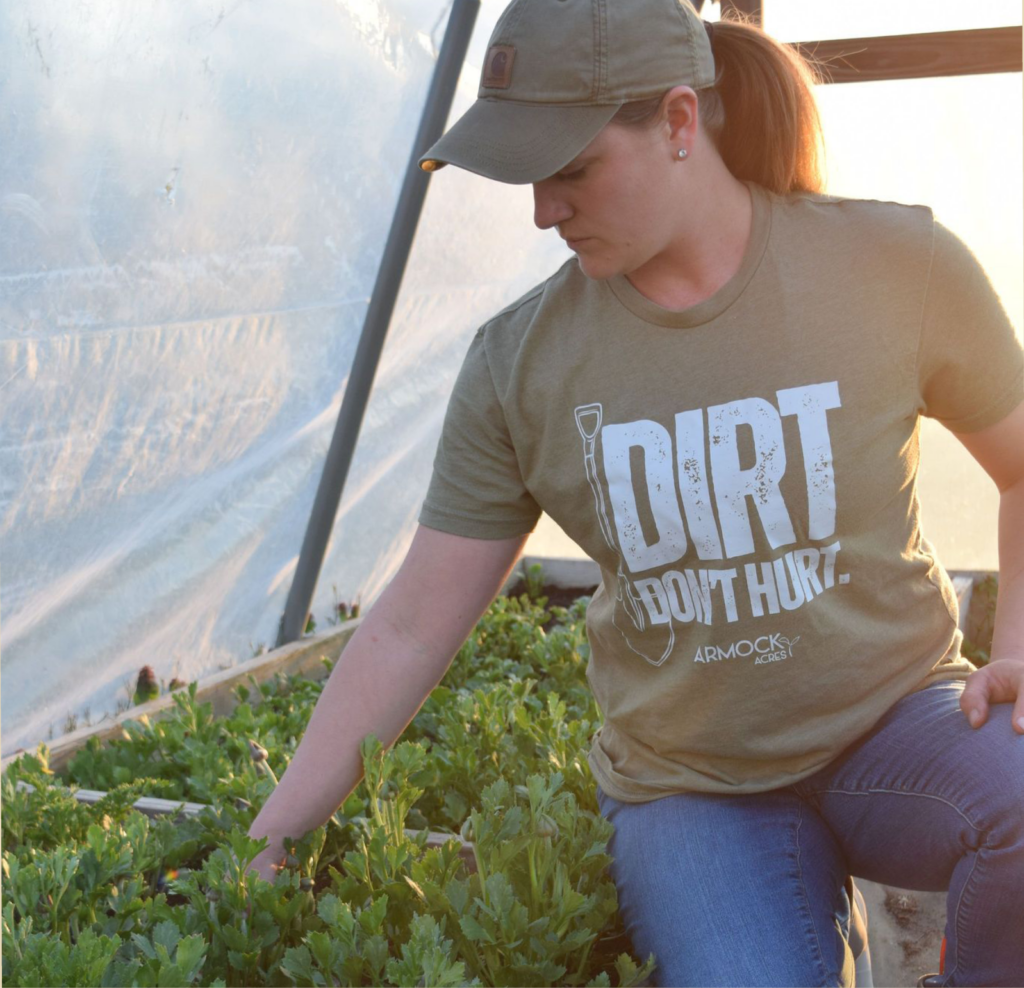
She grows many of her flowers from seeds or purchases plugs from a wholesaler. Since buying the farm in 2021, the garden has continued to expand. Armock is now able to offer a subscription service within a five-mile radius from her farm. She sells to local florists and provides flowers for many different events like weddings, bridal showers, baby showers, holiday parties, and everyday gatherings.
With GreenStone’s CultivateGrowth grant, Armock was able to attend the design class offered by Sweetwater Floral. Armock discovered Sweetwater on social media a few years ago and had looked at classes previously. Once she saw the design class open up, she had to make it work, even with planting season being right around the corner! With the help of the grant, she decided to pursue the weekend long course in April, even if it meant a weekend away from the farm.
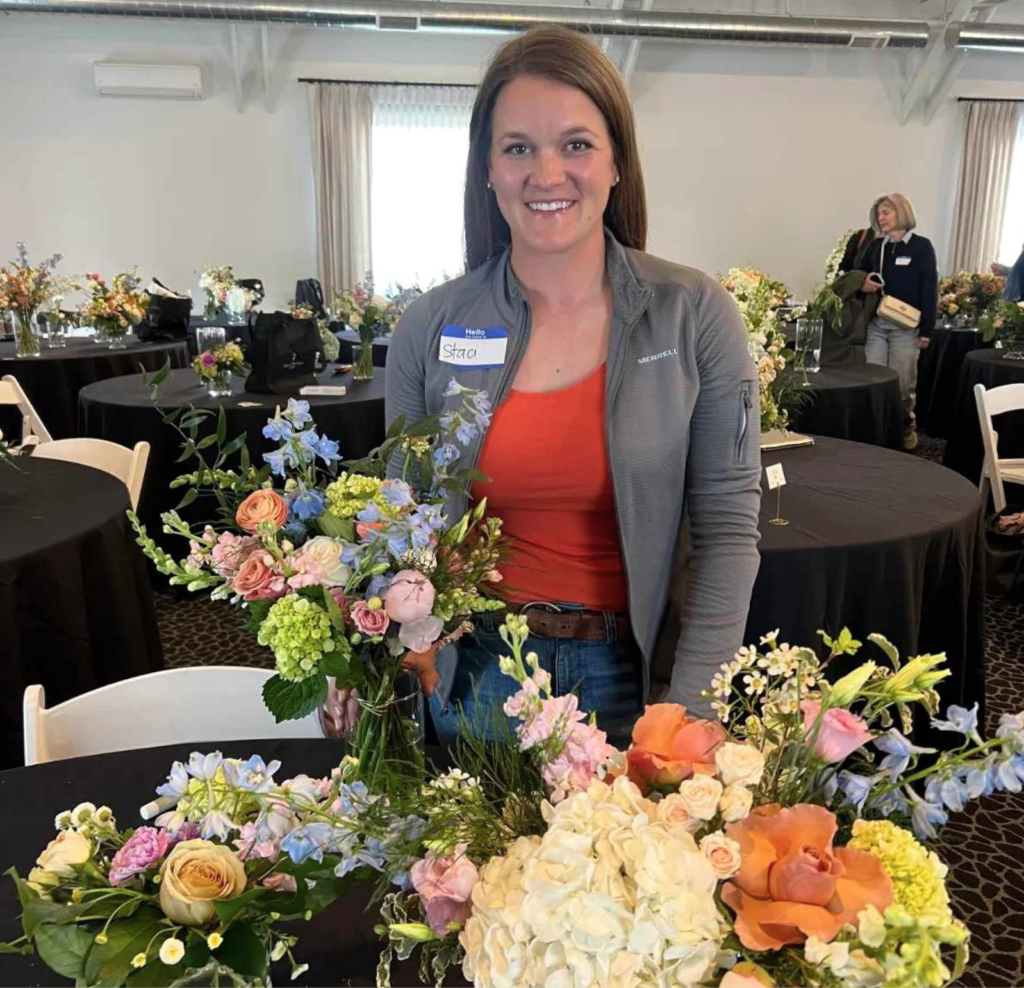
Being a self-taught florist, Armock, took the opportunity to further develop her skills and learn from mentors. She was able to learn about wholesalers and what it would look like to purchase from them, sell to them, or partner with them. The class also allowed her to develop her design skills with many different floral arrangement styles like boutonnieres, centerpieces, and bridal bouquets.
She vocalized that the biggest message from the class was efficiency and ensuring you are utilizing the best process possible to prepare the most flowers. After returning from the workshop, Armock has been busy running her own bouquet workshop and Mother’s Day sales. “I was able to go home and 10 days later I had a lot happening with the flowers, the course immediately took effect as to what I was learning and what I was doing on my farm,” Armock emphasizes!
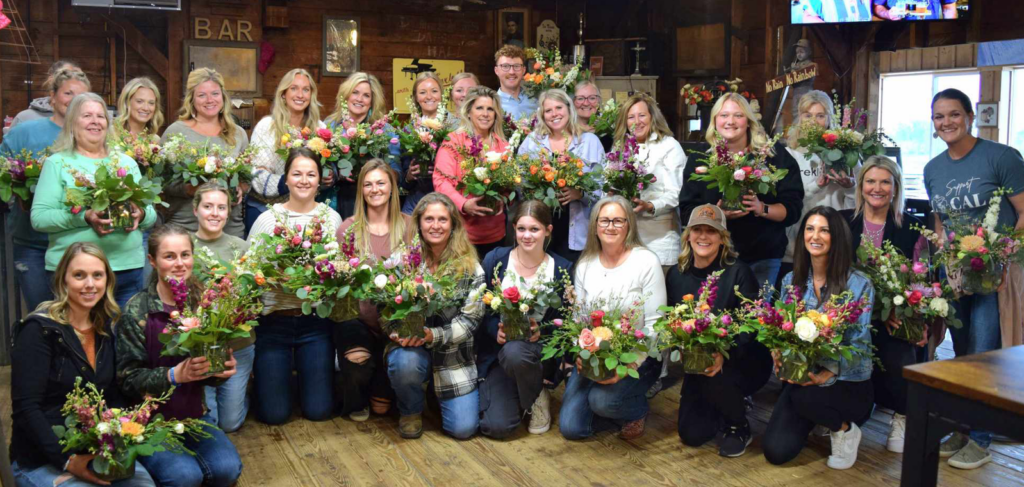
On Mother’s Day she partnered with two businesses by selling bouquets to them, and from her farmstand throughout the day. She said she was able to exceed last year’s supplies and cannot wait for the growth to continue! Sweetwater’s course was able to fuel her growth. She is excited to continue to evaluate her crops and continuing to expand. Armock Acres speaks to a legacy of a generational family farm as well as the beauty in expansion and specialization.
GreenStone understands the importance of supporting education for young, beginning, and small farmers like Armock. We work to provide the educational and financial resources needed to help establish a solid foundation. To apply for a grant, visit our CultivateGrowth Grant page.