


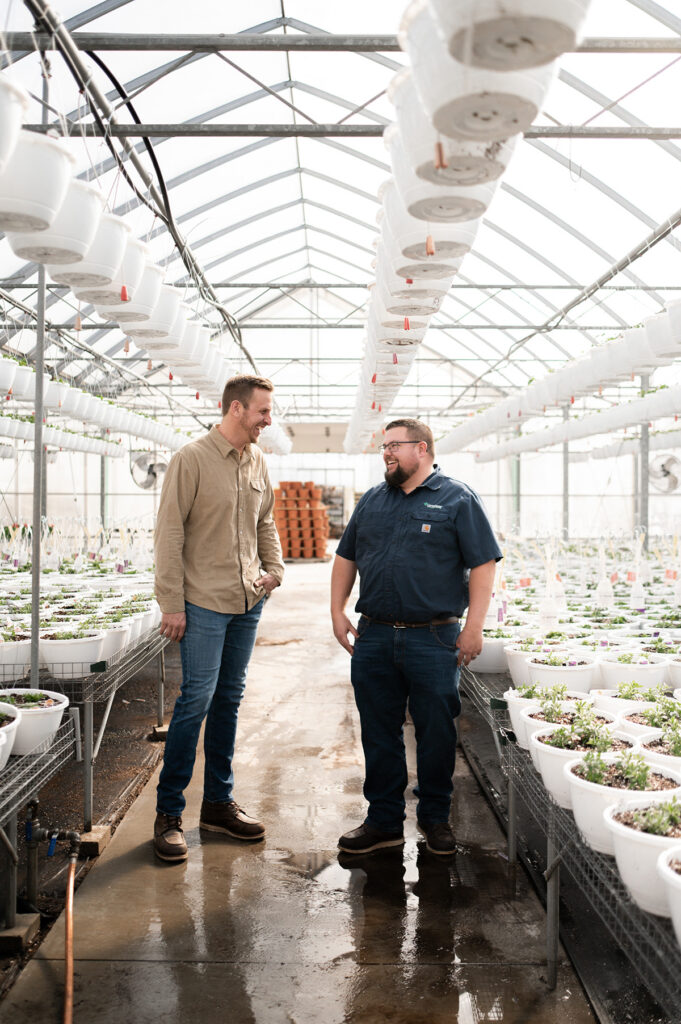

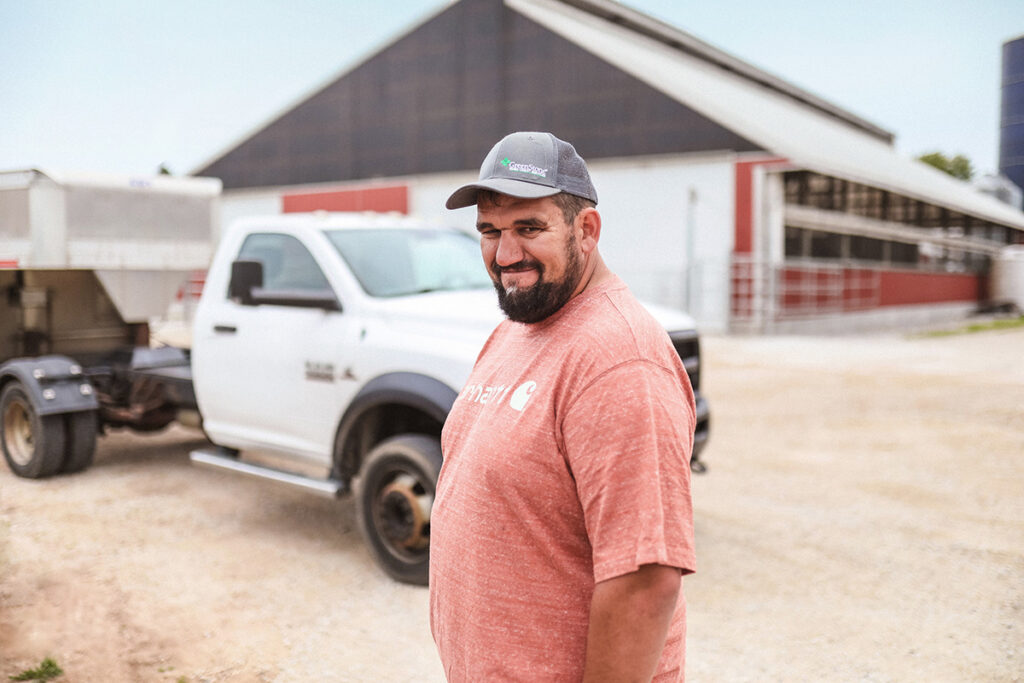
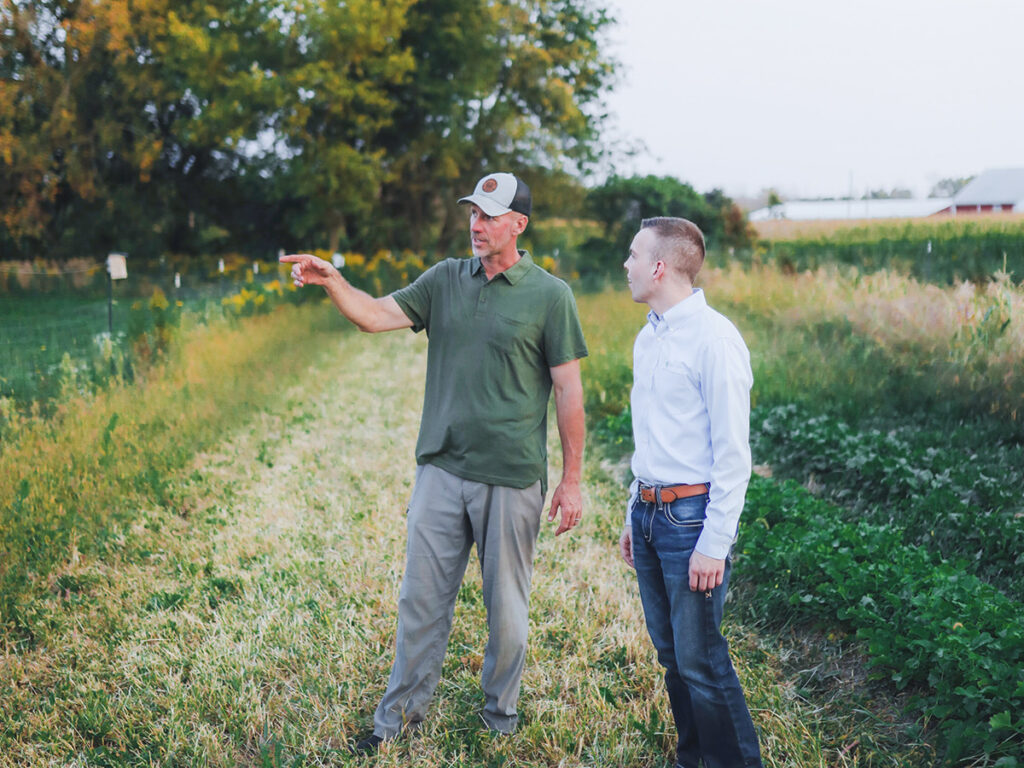

Every day, week, month and year, a successful farmer is constantly evaluating and adjusting as they roll forward with the plan of action to bring value to the marketplace with their food and fiber. Generation after generation significant decisions are made and consequences are borne out of the thinking, speaking, acting and measurement of results.
Same is true with elected officials. We carefully evaluate the thinking, speaking, acting and results from the pool of the courageous entering the ring of politics on our behalf. Their words make a difference, their action makes a bigger difference, and together they make the biggest of difference. We all play a role in understanding our political leaders’ words and actions.
As we enter a very busy farming season with the important tasks ahead, you will find the offering of perspective on the importance agriculture within the bigger scheme of our nation from a U.S. Senate Candidate, Mike Rogers.
America is blessed with an abundance of fertile land, as well as the dedicated, hard-working, and innovative agricultural community that tills the land and which feeds not only our great nation, but indeed much of the world. We cannot afford to allow harm to come to our agricultural community — it is as vital to our country’s national and economic security asset as any other.
For all the talk of Wall Street on the East Coast and Silicon Valley on the West, we Michiganders know that the bedrock of our nation and its engine is our farming and agricultural community, and our great industries, of course. Our farmers are among the hardest working and most patriotic citizens of this great nation. During the pandemic, while others were locked in their homes, our farmers were working the fields to make certain that their fellow Americans had the sustenance to survive. Without our farmers, where would we be?
The truth is that our country is under attack. While most focus on what happens in the big cities there are those who are seeking to undermine the security and sanctity of those who work hard to feed our country and fuel our nation. Farmers are not simply a part of America, they are America from its founding days to right now, and they are under threat.
Right now, hostile foreign governments and business entities backed by the Chinese Communist Party are buying up farmland across the country, without oversight, and without question. This must be stopped. Beijing acts against our country’s interests and steals intellectual property at every turn, and you can be sure they will act against our farmers and agricultural communities alike. This doesn’t mean all foreign investment is bad — quite the opposite, most foreign investment comes from our friends and allies, but we must keep a watchful eye on those who would seek to do us harm today, so we don’t try and close the barn door until it’s too late.
The only way to protect our farms and our agricultural community is if the government works with, not against, them. There cannot be effective regulation that doesn’t include consultation with the agricultural community. This also means that the government needs to respect this community when upholding the law. I will oppose any unauthorized entry by federal agents into farm facilities without cause and will ensure that federal law enforcement works with state and local partners to decisively deal with credible threats. Working together I know we can meet and defeat any threat.
This cooperation must also inform the setting of reasonable standards to protect our agricultural community and enable our farms to flourish. Standards set in Washington without any understanding of what it is like to till the soil or rear cattle are simply inappropriate. We need to protect our agriculture sector and our hard-working farmers, while making certain we have a robust food testing and monitoring program, secure animal and feed storage facilities, protecting the agriculture workforce, increasing protection for animal health at ports of entry, enhance bio-security measures, and always give preference to trusted domestic products over foreign imports.
Our agricultural community set our country on the course for the incredible successes it has achieved to date. It fuels our nation and much of the world. We must protect this most important community from foreign threats and overzealous government overreach. It is something our Founding Fathers, who were also Founding Farmers, knew and that we should embody today.
The opinions stated herein are not necessarily those of GreenStone Farm Credit Services.
To view the spring 2024 issue of Partners magazine in its entirety, click here.
The 2024 MI GreenStone PAC contribution campaign brought in over $35,000 from more than 400 Michigan GreenStone customers. This is another strong representation of the support members have for the MI GreenStone PAC. Your board of directors and management team are diligently evaluating legislative leaders and will be sharing the importance of rural communities, agriculture, and the Farm Credit System with elected officials.
The WI Farm Credit PAC contribution campaign received over $2,000 from Wisconsin GreenStone customers. The WI Farm Credit PAC funds will also be disbursed by your Directors and management team in coordination after an evaluation process.
The AgriBank District 2024 Farm Credit PAC drive competition brought in almost $27,000 in contributions and these funds are used to support federally elected officials. A portion of the Farm Credit PAC funds will be allocated to the GreenStone territory and your Directors and management will assist in the delivery and communication of the Farm Credit message.
As the election marches closer, we are well positioned to carry the messages of Farm Credit and our customers in rural communities and agriculture. In fact, the work has already begun with delivery of PAC checks in Michigan and Wisconsin. Our success will be determined by the strength of the relationships we have with elected officials, and that is why your support of the PACs is so important. Thank you for being a champion of our communities and the agricultural industry!
To view the spring 2024 issue of Partners magazine in its entirety, click here.
Try this recipe for loaded breakfast egg cups – a savory morning twist direct from Two Sparrows Farm. Read about their farm in our spring Partners magazine.
Ingredients:
- 7 eggs, scrambled
- 1 – 30 oz. bag of shredded hash browns (approx. 7 cups)
- 3/4 lb – 1 lb. bacon, ham steak, or breakfast sausage (sliced into bit-sized pieces)
- 3/4 cups cream or whole milk
- 2 cups shredded cheese of choice
- 2 teaspoons all-purpose seasoning (I love Season All from MI company Alden Mill House)
- 2 cups vegetables of choice (we love broccoli, peppers, & mushrooms)
- Additional cheese for topping
Directions:
Cook meat and veggies in a skillet for a few minutes. Let cool and mix into bowl with hash brown, eggs, cream, cheese, and seasoning. Scoop into greased muffin tins and top with shredded cheese.
Bake 18-20 minutes at 400° F until cheese has crisped on top. Remove and enjoy!
Yields 2 dozen loaded breakfast egg cups.
To view the spring 2024 issue of Partners magazine in its entirety, click here.
The U.S. economy has performed strongly, exceeding fourth quarter 2023 predictions in terms of disinflation and gross domestic product (GDP) growth, showing resiliency in overcoming economic shocks from COVID-19, trade conflicts with China, geopolitical issues, and surging inflation.
The Federal Reserve’s response was aggressive with the highest round of interest rate hikes over the past 40 years. Thus, moving forward into 2024 and 2025, the economic outlook is optimistic.
The forecast is for the Fed to cease interest rate hikes, due to further cooling of inflation and tightening of the labor market. The Fed will likely begin to cut rates mid-2024, with the expectation that 25 basis point cuts will follow at roughly every other meeting. Consumers are expected to cut back on spending as unemployment increases. Job growth is projected at 2.5 million jobs in 2024 after a strong first quarter, with a slow-down projected thereafter. In 2025, anticipated job growth drops to 1.3 million – equal to a 4.0 percent unemployment rate in the first quarter of 2025.
Real GDP grew at a 3.3 percent annualized rate in the fourth quarter of 2023, lower than the previous quarter’s 4.9 percent, but defying predictions that Americans would tighten spending. Consumption of goods remains high in comparison to disposable income. Consumers have continued to spend as real wages increased due to the strong employment market and disinflation. Core inflation is expected to be 3.4 percent year over year in the first quarter of 2024, continuing to slow to 2.4 percent by the fourth quarter of 2024 and likely to remain there into 2025. Keeping longer-term inflation in check is critical to maintaining economic stability.
The November 2024 elections will certainly impact the economy, with results determining the fiscal path forward. Increased defense spending, and decreased discretionary non-defense spending, is likely. The federal deficit widened from 4.4 percent of GDP in 2022 to 5.8 percent in 2023. Deficit management will affect growth and long-term economic stability.
Global Economic Outlook
Inflation has fallen faster than expected with 80 percent of the world economies projected to see lower annual average headline and core inflation in 2024. Globally, headline inflation is expected to fall to 5.8 percent in 2024 and to 4.4 percent in 2025. This decline is the result of favorable global supply developments, easing tightness in job markets, and major central banks raising interest rates.
Global growth is projected at 3.1 percent in 2024 and 3.2 percent in 2025 due to anticipated resilience in the US, several large emerging markets and developing countries. Government and private spending, along with disposable income gains, supported consumption as households spent their pandemic savings. China’s growth is now projected to be higher as their economy fared better than anticipated in 2023 and due to their increased spending on natural disaster capacity building.
One of the largest risks to global growth is commodity price spikes due to geopolitical issues which affect food, energy, and transportation costs. The conflict in Gaza could encompass the region that produces 35 percent of the world’s oil exports and 11 percent of gas exports. The war in Ukraine affects the Red Sea which accounts for transport of 11 percent of all global trade.
Another risk to global economic recovery is extreme weather events. Together with the El Nino phenomenon, these events could cause food price spikes, further food insecurity, and jeopardize global disinflation.
The central banks’ top priority must be fiscal policies that continue to strike the right balance – not lowering rates too quickly, nor delaying the reduction of rates too long. Fiscal consolidation will be necessary to deal with deficits that have grown above pre-pandemic levels. Extreme tax hikes and/or spending cuts could result in slower than expected growth.
Agricultural Economic Outlook – February World Agricultural Supply and Demand Estimates (WASDE)
While the news is optimistic for the general economy, it is not as good for the U.S. farm sector. The USDA projects net farm income for 2024 to be 25.5 percent lower. Most of this decrease will be in the crop markets, with the protein industries seeing a smaller decline. Record harvests in Brazil and Russia have filled trade gaps created by Ukraine’s declining exports, and along with the surging U.S. dollar and higher interest rates, have put pressure on agricultural commodity prices. Lower commodity prices are concerning; however, compressed margins are the real concern. Fertilizer prices have come down, but other costs have remained high or increased.
Corn: February’s report projects that lower 2023/2024 industrial use will lead to larger ending stocks by approximately ten million bushels to 2,172 million bushels compared to 2022/2023 ending stocks of 1,360 million bushels. The season-average price received by producers is unchanged from the previous report at $4.80 per bushel – compared to average price received by producers of $6.00 per bushel 2021/2022 and $6.54 in 2022/2023. Global coarse grain production is anticipated to be lower for 2023/2024 by 3.8 million tons with no change in consumption. Ending stocks for 2023/2024 are projected to be 348.47 million metric tons, an increase over global ending stocks of 337.8 in 2021/2022 and 330.09 in 2022/2023.
Soybeans: The February report projects a higher ending stock for oilseeds given exports were down 35 million bushels last month, due to slow shipping and competition from Brazil. Ending stocks are forecast to be 315 million bushels for 2023/2024 compared to 274 million bushels in 2021/2022 and 264 million bushels in 2022/2023. The season-average price received by producers decreased by 10 cents to $12.65 per bushel. This is compared to average price received by producers of $13.30 per bushel 2021/2022 and $14.20 in 2022/2023. Globally 2023/2024 soybean ending stocks will be higher due to lower production and lower exports. Ending stocks for 2023/2024 are projected to be 133.37 million metric tons. This is an increase over global ending stocks of 117.47 in 2021/2022 and 122.36 in 2022/2023.
Dairy: The US Dairy industry contracted in 2023 as the USDA revised its estimate of milk production in 11 out of the 12 months, dropping 0.04% from 2022. USDA also reduced its assessment of the milk cow herd for every month, contracting by almost 50,000 head in 2023 and an additional 23,000 head December to January 2024. Producers have slowed cull rates, but with a limited replacement heifer herd, overall milk cow head counts have continued to decline. Milk yield in January was also short compared to the prior year, marking seven straight year-over-year declines in monthly milk output. In 2023, the US exported slightly more than 5.8 billion pounds of dairy products, which was 7.3% less than 2022 and the lowest annual volume since 2020. A sluggish global economy and uncompetitive prices worked against US exports. Despite exports to Mexico reaching a record high of nearly 1.59 billion pounds for the year, declines in exports to China (down 14%) and Canada (down 10.7%) had a significant impact. USDA distributed record-level payments via the Dairy Margin Coverage (DMC) and Dairy Revenue Protection (DRP) programs in 2023. These payments provided relief to farmers, particularly mid-year when Class III prices reached multi-year lows. However, slaughter totals during this period were some of the highest on record, and the payments did not prevent heavy culling or complete exits. Slaughter rates slowed beginning in September as the herd shrunk and milk prices began to improve. Looking ahead for 2024, feed costs have eased significantly. Conversely, milk prices for both Class III and Class IV futures are up in 2024 compared to 2023. Class III settled at $17.02 for 2023 and 2024 futures currently average $18.00. Class IV settled at $19.12 for 2023 and 2024 futures currently average $20.79. Overall, a drop in feed costs and an increase in milk prices should favorably impact producers for 2024. Herd growth, however, may be limited by the scarcity of replacements, and those needing to buy replacements may see a higher price.
Pork: Losses in 2023 resulted in a smaller US sow herd of six million (down 3 percent as of December 1, 2023, vs. one year ago), as well as lowered farrowing intentions for the first quarter. However, increased productivity per sow offset sow reductions so that pork produced, and pig inventory was largely unchanged. Thus far 2024 has brought much improved margins for producers, as well as an outlook for good profits for second and third quarters. This sharp improvement follows one of the most difficult years in decades for hog farmers and is needed to rebuild balance sheets and improve cash flow. Increasing hog prices and decreasing feed costs (primarily much lower corn and soybean meal prices) are simultaneously providing better opportunities for profits and driving increased hedging activity. Entering the last week of February, the CME Lean Hog Index rose to its highest point in the last 3 months at over $75/cwt. Quarter 2 and Quarter 3 hog futures contracts were at or near contract highs, with June, July, and August futures contracts nearing $100/cwt. Exports remain key to maintaining higher composite pork (Cutout) values and market hog prices. Export demand was strong in 2023 and is projected to increase in 2024, but at a slower pace.
While producers are becoming more optimistic, challenges remain including labor availability and cost, foreign animal disease threats like African Swine Fever (ASF), and increased interest costs.
Fruit: Higher costs and below break-even prices continue to trouble the Michigan Tart Cherry industry. A recent report from Michigan State University Extension estimates that the average cost to produce a pound of Tart Cherries in Michigan is $0.44. The average market return from 2007 to 2021 was $0.18 to $0.32 per pound. This is attributable to multiple factors, most notably higher labor, and operating costs. These factors combined with aggressive imports from countries like Turkey, have led to low liquidity and low repayment capacity among the Michigan producers.
The Michigan apple industry has had sizable crops in both 2022 and 2023. Not only was 2023 another sizable crop year (approximately 32 million bushels in 2023), but growing conditions were close to ideal in most locations, leading to high quality pack outs. Labor and other operating costs continue to be a concern for growers, along with continuing pressure from regulatory requirements. The Michigan apple industry is focused on marketing new varieties and spotlighting the importance of this industry to the state’s economy. Growers are anticipating the 2024 crop to return to average production.
To view the spring 2024 issue of Partners magazine in its entirety, click here.
The rise of smartphones is undeniable: nearly everyone in the U.S. owns a cellphone, and most (90%) have a smartphone (Sidoti, et al., 2024). These devices have become integral to our daily lives, both professionally and personally.
Farmers especially rely on this technology for managing finances, staying connected with colleagues and family, accessing critical market information, and managing various aspects of their farm operations – from monitoring weather conditions to tracking machinery and livestock.
However, the widespread adoption of smartphones also makes them a prime target for cybercriminals. Their portability, constant connectivity, and access to sensitive information create numerous opportunities for attackers to exploit vulnerabilities through various means. This includes malware, viruses, and other malicious software designed to steal data, disrupt operations, or even hold information hostage for ransom. As cybercriminals continuously adapt and refine their techniques, it is crucial to be proactive in taking steps to protect your data and privacy on your smartphone.
Here are five essential tips to help these threats and strengthen your smartphone’s security in a way we hope is easy to understand and implement:
1. Staying Updated: It is essential for security to keep your device’s operating system and apps updated. Updates are released by manufacturers and app developers to correct flaws that could be exploited by cybercriminals. Here are the steps to manage updates for both:
- Operating System Updates
- Apple Devices: Open Settings > General > Software Update and make sure that Automatic Updates is On. Android Devices: Open Settings > System > Advanced > System Update and ensure that it is enabled.
- App Updates
- Apple Devices: Open Settings > App Store and enable App Updates.
- Android Devices: Open the Google Play Store and then select Menu > Settings > Auto-update apps.
2. Safeguard Your Network Connections: Exercise caution with public Wi-Fi networks by using a Virtual Private Network (VPN) to encrypt your data and avoid potential intercepts by cybercriminals. At home, secure your Wi-Fi with the latest encryption standards like WPA3 and a strong, unique password to prevent unauthorized access.
3. Prepare for Loss or Theft: Enable features that allow you to remotely find, lock, and wipe your device to protect your data if your phone is lost or stolen. This proactive step can be crucial in preventing data breaches.
- Apple Devices: Activate “Find My iPhone” through Settings > [your name] > Find My > Find My iPhone, enabling you to remotely find, lock, or wipe your device.
- Active “Stolen Device Protection” through Settings > Face ID & Passcode > Enter your device passcode > Tap to turn Stolen Device Protection On.
- Android Devices: Turn on “Find My Device” by going to Settings > Security > Find My Device, allowing you to remotely track, lock, or erase your device if it goes missing.
4. Maintain Data Backups: Keep regular backups of your device to cloud services with strong encryption to ensure data recovery. Additionally, regularly review and uninstall apps you no longer use to minimize risk.
- Apple Devices: Use a service like iCloud for seamless backups of your iPhone. Go to Settings > [your name] > iCloud > iCloud Backup and toggle on the apps that you want to enable iCloud. iCloud encrypts your backups for added security, ensuring that your data is protected.
- Android Devices: Use Google Drive to back up your Android device by navigating to Settings > Google > Backup. Ensure the “Back up to Google Drive” option is enabled for automatic backups. Android backups include app data, call history, contacts, device settings, and messages. Google Drive also uses encryption to secure your backups.
In addition to using built-in cloud services such as iCloud for iPhone and Google Drive for Android, there are several third-party backup services that are available. Here are a few notable options:
- Backblaze: Offers unlimited data backup with strong encryption, suitable for both personal and business use.
- Dropbox: Known for file sharing and collaboration, Dropbox also provides secure file backup options with file versioning and recovery features.
- Microsoft OneDrive: Integrated with Windows and offering a seamless experience for Microsoft Office users, OneDrive supplies robust backup and file synchronization services.
- Carbonite: Offers cloud backup solutions focused on data protection and recovery, with automatic cloud backup services for computers and external storage devices.
These services all offer various features, including secure data encryption, automatic backups, and easy data access and recovery options. Choosing the right service depends on your specific needs, such as storage ability, privacy requirements, and budget.
These important tips help you improve your smartphone’s security, making it more difficult for cybercriminals to access your personal information. By using safe authentication methods, updating your device and apps, being careful with network connections, planning for loss or theft, and backing up your data, you are taking important steps to protect yourself. In today’s world, where our smartphones are essential parts of our daily lives, it is crucial to prioritize their security. Following these tips begins to ensure that your device works as a dependable tool rather than a security threat.
To view the spring 2024 issue of Partners magazine in its entirety, click here.
Having a great recovery plan after a workout is extremely important because it reduces the chances of injuries and soreness, and also helps increase muscle growth and blood flow!
Regardless of your workout routine, taking time throughout your day to ensure muscle recovery is important. Different workouts like running, doing mind and body strength training, or muscle building by weight lifting, are all great ways to build muscle and support great health, but to ensure the goals that you would like to achieve you have to stay hydrated, eat properly, rest, and stretch. Here are several tips to help you build your recovery plan.
Staying Hydrated
After an intense workout fill up your cute water bottle! You lose fluids through sweat; the best way to replace these fluids are through drinking 12-15 cups of water throughout the day. The lack of water can lead to muscle cramping and poor physical performance. If you are not able to drink 12-15 cups, try to challenge yourself each day to drink a little more than the day before!
Eating Properly
Eat! Eat! Eat! To ensure proper muscle recovery, take in at least 20 grams of protein within 30 minutes after a workout. Taking in protein after a workout will help repair and replace muscle. Some great post-workout snacks can be yogurt, smoothies, chocolate milk or protein shakes. Implementing different sources of protein in each meal will also lead to more energy throughout the day. Avoid skipping meals; skipping meals can lead to slower metabolism, low energy, and other nutritional deficiencies. Try to eat three nutritional balanced meals and one to three small snacks throughout the day. Meal prepping or planning your weekly meals can help you keep track of how much you are taking in.
Rest
Time to get some rest and relax! Getting 7-8 hours of good sleep each night helps your body recharge for the next day! If you are having troubles falling asleep or getting quality rest, try to avoid scrolling through your phone, watching TV, or playing games on a tablet thirty minutes before bed. To keep your body on a routine, try to set a consistent schedule of what time you wake up and go to bed. If you are a person that enjoys hitting the snooze button a couple times in the morning, challenge yourself to only hit it once and then wake up. Consistency is key!
Stretch
After each workout, make sure you stretch about ten minutes. Stretching helps reduce the muscle tension and cramping that can build up during a workout. Implementing a good stretch into your routine can help with improving your performance for your next workout. Some great stretches to include are the shoulder, overhead, chest, toe, and the quad stretch. Each stretch should target the areas that you worked during your routine.
To view the spring 2024 issue of Partners magazine in its entirety, click here.
As the days get longer and temperatures rise, we are getting ready for summer, which for some means boating season! Whether you are an avid fisherman or a weekend getaway boater, here are a couple of tips to help get your boat ready for the upcoming season:
License and Registration
In order to enjoy being on the water, make sure to check and ensure your boating license and registrations are up to date! Store it in a safe, waterproof place that is easy to access. If you have any questions about your boating license and regulations, check your states website for more information.
De-Winterize Your Boat
After months of being stored away, take the time to de-winterize the engine, change the oil and the oil filter, check all fluids and refresh them. Doing this can help ensure that all fluids are fresh and topped off properly and makes it easier to get started for the summer!
Check Your Battery
No one wants to drive all the way to the lake only to find out their battery is dead. Make sure your battery is fully charged! Not only will this help save time, but it will help to not waste a day from being on the water (we only get so many of these in the Midwest)!
Clean
Dust and mildew may have made a new home during the winter. Take the time to wash your boat inside and out! This will make it not only enjoyable for you, but enjoyable for your boat guests as well. Once your boat is freshly clean, gather and organize any of the proper boating equipment you will be needing this summer, like fishing poles, nets, tubes, and floaties.
Safety Check
As you embrace the season and enjoy the water, the goal is not only to have a fun time but also a safe time on the water! Double check you have all the proper safety equipment like distress signals, paddles, fire extinguishers, and life jackets. Remember proper life jackets are required for each passenger in the boat.
To view the spring 2024 issue of Partners magazine in its entirety, click here.
After touring multiple houses, looking at different layout designs, and seeing others build their dream homes, you have decided it’s time to build yours! Since you are a handy person and a self-starter, you are considering building your dream home on your own. Before considering DIY construction, here are a few things to think about.
Financial Savings
Do you like to save money? Building your dream home can be pretty costly, DIY construction could be a way to help reduce costs and keep you within budget as a result of labor savings. You can use the funds for extra room in your closet, a bigger garage, or a lower project budget overall!
Remember though, plans don’t always go as expected. You may want to have a backup plan for outsourcing some projects to other experts in the field just in case you are not able to complete them.
Timing
Are you willing to put in the time? Building a home can take a long time. When you are doing it all by yourself and have a full-time job, the project may take longer than expected. Don’t underestimate the demand; be prepared to spend a lot of your extra time working to build your future dream home!
Project Management
Are you someone who can manage a project? With a contracted builder you are signing off on each piece of the project and they are both doing the work and coordinating the workers each step to get it done. With a DIY build, you are not only coordinating the steps, but are also able to oversee how each project is being completed. This gives you the opportunity to coordinate the project to your schedule and have complete progression transparency.
Organization
Are you someone that can be organized? Regardless of whether you are doing a DIY build or hiring a builder, with any construction project there is going to be a lot of paperwork between blueprints, draws, and receipts. To make it as easy as possible, you will want to adopt a neat organization system to keep track of each of these.
Pride
Are you someone that takes pride in your own work? After completing each project yourself, you’ll be able to experience that feeling of accomplishment and pride as you reach your final goal. When you are putting your own hard work and labor into your dream home, that sense of pride will be present every time you walk through the doors.
When it comes to building a house on your own, there can be a lot to take in. If you are a self-starter and someone who can stay on a timeline, then DIY construction may be something you consider!
GreenStone’s team of experienced experts are ready to finance your home construction. Find our home construction and home site vacant land loan options here.
GreenStone Farm Credit Services is pleased to announce the release of its 2023 annual report: Your First Choice. The report outlines a strong financial status, record net earnings and the cooperative’s commitment to its members and communities it serves.
The report follows the theme “Your First Choice,” a nod to GreenStone’s vision statement to be rural America’s first choice for financial services. It goes beyond the solid financials to share stories of a multi-generational farm acquiring crop insurance which helped their bottom line, along with a family’s path to their dream home.
The report also outlines how GreenStone’s culture cultivates a positive work environment, which in turn, creates a seamless and friendly customer experience, and how GreenStone gives back time and dollars to the local communities it serves.
“Our team has produced strong earnings and solid loan growth over the past year. Our most recent customer satisfaction survey found that 96% of our members feel satisfied with GreenStone. That’s a testament to the hardworking team here, and I am proud to lead them,” remarked President and CEO Travis Jones. “I’m even more proud that we serve the hardest working Americans: our members in rural America.”
GreenStone’s loan portfolio grew nearly 8%, along with solid performance in crop insurance and tax and accounting services. Additionally, $120 million of profits were once again returned to GreenStone members, through the cooperative’s Patronage program – totaling more than 40% of GreenStone’s net profit from the past year.
“When our customers are doing well, we are doing well, and that means money back in their pockets,” said Jones. “We remain committed to our customers, and always have their best interest in mind. I am proud that more than 28,000 people choose GreenStone as their first choice for financing in rural Michigan and northeast Wisconsin.”
Other financial highlights in this year’s annual report include:
- Net income: $285 Million
- Total Assets: $14.4 Billion
- Patronage Paid: $120 Million
You can read the 2023 annual report in its entirety here.
GreenStone remains committed in our pledge to cultivate a robust, thriving community and empower farmers through collaborations with industry partners. In addition to numerous year-round activities, GreenStone is honored to partner with countless organizations with similar missions of serving rural communities and agriculture. As we reflect on the past year, two of those key partners are Dairy Girl Network and Michigan Grown, Michigan Great. Both are resource-driven and crucial contributors to agriculture and the communities we serve. Their valuable resources and impact have a ripple effect creating vast opportunity of knowledge, awareness and growth for all they touch.
Dairy Girl Network
GreenStone partners with the Dairy Girl Network to further solidifying our commitment to being your first choice. Through an ongoing collaboration, GreenStone Farm Credit Services and the Dairy Girl Network have joined forces on a mission—to sprinkle a bit of magic on women and farmers in the ever evolving agricultural dairy industry. Based in Wisconsin with members from across the nation, Dairy Girl Network is designed by women in dairy for women in dairy. They understand the challenges women often face in the industry and have joined together to offer a safe space to connect and strengthen one another through connection and knowledge.
This dynamic partnership is all about creating a strong support system for women in dairy by providing resources to assist in navigating the ever-changing landscapes of today’s market. These resources range from monthly webinars covering current topics and decision-making insight to participation during the annual World Dairy Expo and countless opportunities to create connections through networking. These connections instill confidence in women, both in their ability to lead their families and make sound business decisions on their farm.
“At Dairy Girl Network, we believe in the power of community and knowledge-sharing. Our collaboration with GreenStone is more than just a partnership; it’s a shared commitment to creating a supportive space for women in dairy. Together, we strive to sprinkle a bit of magic on the challenges faced by women and farmers in the ever-evolving agricultural dairy industry,” says Amanda Borkowski, Dairy Girl Network Partnership Lead. “With Farm Credit’s generosity and resources, we’re not just addressing immediate needs; we’re cultivating connections that empower women, fostering confidence in their ability to lead and make sound business decisions on their farms.”
By fostering a supportive community, this partnership not only addresses immediate challenges but also contributes to the long-term sustainability of agriculture. As GreenStone continues its collaboration with the Dairy Girl Network, extending generosity and resources, we further solidify our commitment to being your first choice by helping empower women and farmers in the ever-evolving agricultural dairy industry.
Michigan Grown, Michigan Great
Supporting rural America goes beyond providing farmers and growers with resources; it entails educating and informing consumers about agriculture, the origins of their food, the meticulous care farmers take, and their dedication to feeding the world. To champion the diverse commodities Michigan offers, GreenStone proudly serves as a supporting partner on the Michigan Ag Council, a pivotal force behind the Michigan Grown, Michigan Great (MGMG) brand. The Michigan Ag Council, comprised of commodity groups and agribusinesses, collaborates to enhance awareness of food and agriculture today, contributing to the state’s enjoyment of over 300 high-quality fresh foods and products from more than 46,000 local farming families.
MGMG represents these fine foods and products, along with the farmers and agribusinesses committed to providing them to our neighbors and communities. By promoting Michigan farmers and agriculture, MGMG aims to heighten awareness of locally grown produce, ultimately encouraging consumers to buy and support local.
Farm families take pride in mastering the art and science of cultivating fresh, high-quality foods and products year after year. Together with their partners, the Michigan Ag Council, under the MGMG brand, spotlights Michigan commodities, agricultural practices, and the diligent farm families tirelessly working to supply Michigan with safe, high-quality foods and products.
MGMG annually hosts the Down on MI Farm event, shedding light on agriculture through engaging gatherings. At each of the three 2023 Down on MI Farm events, attendees, including dietitians and food and family influencers, community leaders, change-makers, and local farmers, connected over good food and compelling topics. Each event featured a farm tour, providing attendees with a behind-the-scenes look at farm operations and highlighting the day-to-day activities on a farm.
In addition to hosting and attending industry events, MGMG offers a wealth of consumer information on local Farm Markets, agritourism venues, recipes for locally grown produce, and farms to visit. Educating consumers on the origins of their food is a vital component in ensuring the success of the agriculture industry.
GreenStone is honored to be an ongoing partner of the Michigan Ag Council and ensuring that consumers continue selecting Michigan grown products as their first choice for their families.
Community Outreach
As the agricultural landscape continues to evolve, GreenStone remains steadfast in our commitment to empowering farmers and fostering resilient and thriving communities. This member-first mindset resonates throughout our dedicated team, actively involved in supporting local communities.
Through our 35 branches and association-wide initiatives, GreenStone allocates time and resources to various organizations aligned with our mission of shaping a stronger tomorrow. In the past year alone, we’re proud to have contributed over 6,450 hours and $630,500 to the community. The total hours include dedicated staff participation in local events, youth engagement, county fairs, dairy programs, agriculture-awareness organizations and more—an investment that would be equivalent to more than three fulltime staff solely dedicated to volunteering to create a brighter future. We’re honored to have staff who live our Core Four values of Giving Back and Doing the Right Thing both in and out of the office.
Our collective enthusiasm and passion for our members, the community, and agriculture are the driving forces behind GreenStone’s continued position as a first-choice leader in the rural community.
Beyond community initiatives, GreenStone recognizes the paramount importance of investing in the education of our youth. In 2023, we proudly awarded $60,000 in scholarships to students pursuing careers in the industry, bringing our total scholarship commitments since 2010 to over $440,000. GreenStone also continues to offer continuous internship opportunities, contributing to the personal development of dozens of students. We recognize that future success in agriculture isn’t possible without the commitment and education of youth today and ensuring they have the learning opportunities to shape them into future leaders.
Through our commitment to the next generation, GreenStone’s dedication includes supporting women, minority groups and young, beginning and small farmers through strategic educational investments and partnerships. Our support is centered on providing the tools, resources and opportunities to cultivate connections that turn into success. As a leader in the agriculture industry, our members’ preferred financial partner, a rural community neighbor, and a member-owned cooperative, GreenStone approaches every decision with the future and our members best interest at the forefront.
Through partnerships with organizations dedicated to community and industry growth, we are shaping a more robust tomorrow. The alliances formed today will echo in the future of our local communities, influence today’s youth, and pave the way for the next generation of farmers. GreenStone takes pride in its ongoing commitment to progress, actively contributing and aligning with organizations that stand as the first choice for agriculture and rural communities.
This article was originally published in GreenStone’s 2023 annual report. You can view the annual report in its entirety here.