



How Operating Loans Can Benefit Your Farm
As you know, farming is a capital-intensive business, with land, equipment, and facilities; costs can amount to millions of dollars. Beyond these capital expenses, farmers face annual costs for seed, fuel, chemicals, and other essential inputs. These inputs are often needed at the beginning of the growing season and paid for with proceeds from the sale of crops months in the future. To bridge this gap, many farmers utilize an operating loan, which is a revolving line of credit that provides the working capital you need to keep your operation running smoothly.
How Do Operating Loans Work?
Operating loans are tied to the production or operating cycle. Money loaned at the beginning of the season is expected to be used for the essential inputs needed to raise that season’s crop and then paid back at the end of the cycle with the proceeds from the crop or product that was produced using the inputs purchased. This is different from term loans as those are tied to the productive life of the asset being financed, such as up to seven years for equipment or up to 30 years for real estate loans.
Often, using operating funds provides producers access to early-season or pre-paid discounts. (For example, reduced prices on seed if purchased in December for a crop that will not be planted until April.) In the current economic environment, higher input costs, along with lower crop prices, have led to lower levels of working capital for many producers. As a result, operating loans have become more prevalent even among the most financially sound farmers who may have traditionally paid for inputs with available working capital.
Many farmers employ the revolving line of credit at the beginning of the production cycle, then pay it off at the end of the productive season using the profits from the sale of their crops or products and then start the process again for the following season. Using an operating loan, money is drawn as needed, and interest begins accruing only as funds are pulled from the credit line.
What Can a Farm Operating Loan Be Used For?
Operating loans are not commonly used to finance capital investments because of the short-term nature of the loan. Short-term financing for a long-term asset can cause repayment challenges. Farmers more commonly match their financing to the useful life of the asset.
Typically, the security for operating loans is the chattel, a word used for shorter term farm “collateral,” which can include the crop, both growing and stored, as well as machinery and equipment. Occasionally, a farmer will prefer to use real estate as collateral for an operating loan, such as scenarios when the crop itself is jointly owned, or there is a prior lien holder on the crop. Security for the operating loan is primarily the borrower’s decision based on their operation’s unique situation. However, when the crop is used as collateral, in some cases the lender may also require crop insurance with an assignment of indemnity on the policy.
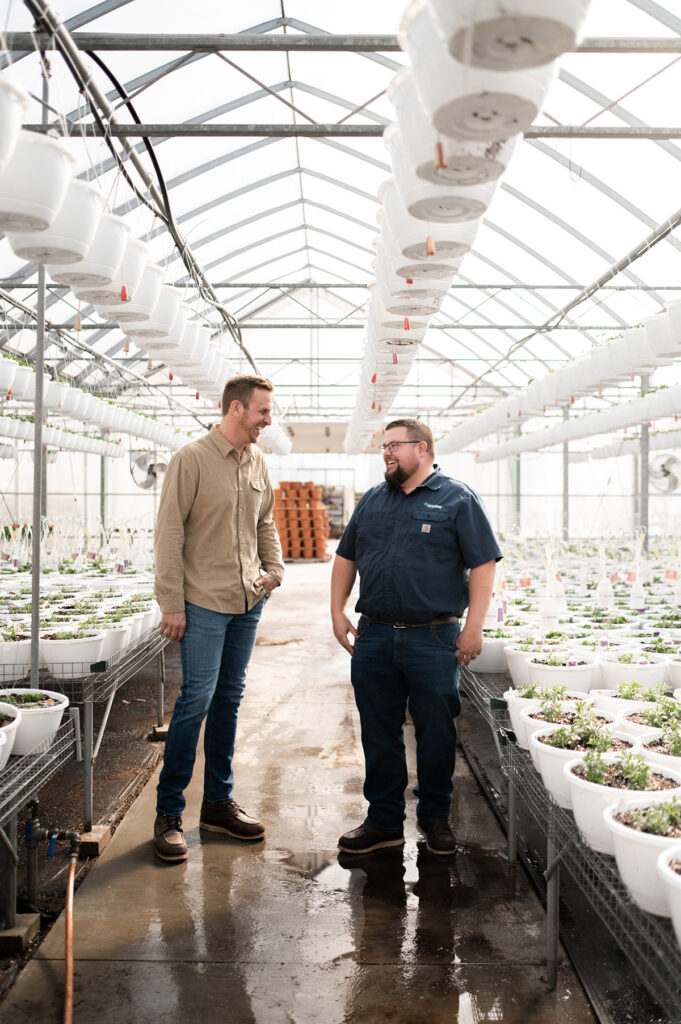
Operating loans are common across industries, from dairies to cash crops, fruit orchards to vegetables, nurseries to greenhouses. When used properly, they provide financial liquidity when it is needed most, with a short-term repayment to be able to efficiently remove this debt from the balance sheet.
As your local lending expert, GreenStone offers operating loans with one-to-three-year terms and variable interest rate options based on your unique lending needs. If you have any questions on how an operating loan could benefit your operation, please reach out to your local GreenStone branch!
This article was originally published in Michigan Farm News.
We’re here to help.
With locations across Michigan and northeast Wisconsin, we’re here when you’re ready to talk.