





How to Make a Farm Income from your Backyard
Have you ever thought “it would be great if I could get paid for doing what I love”? Chances are, you can!
Whether you’re considering selling produce from your garden, starting your own roadside farm stand, or even getting into beekeeping, it is entirely possible to generate an income from these “part-time farming” activities that you already enjoy doing.
Start with what you already have
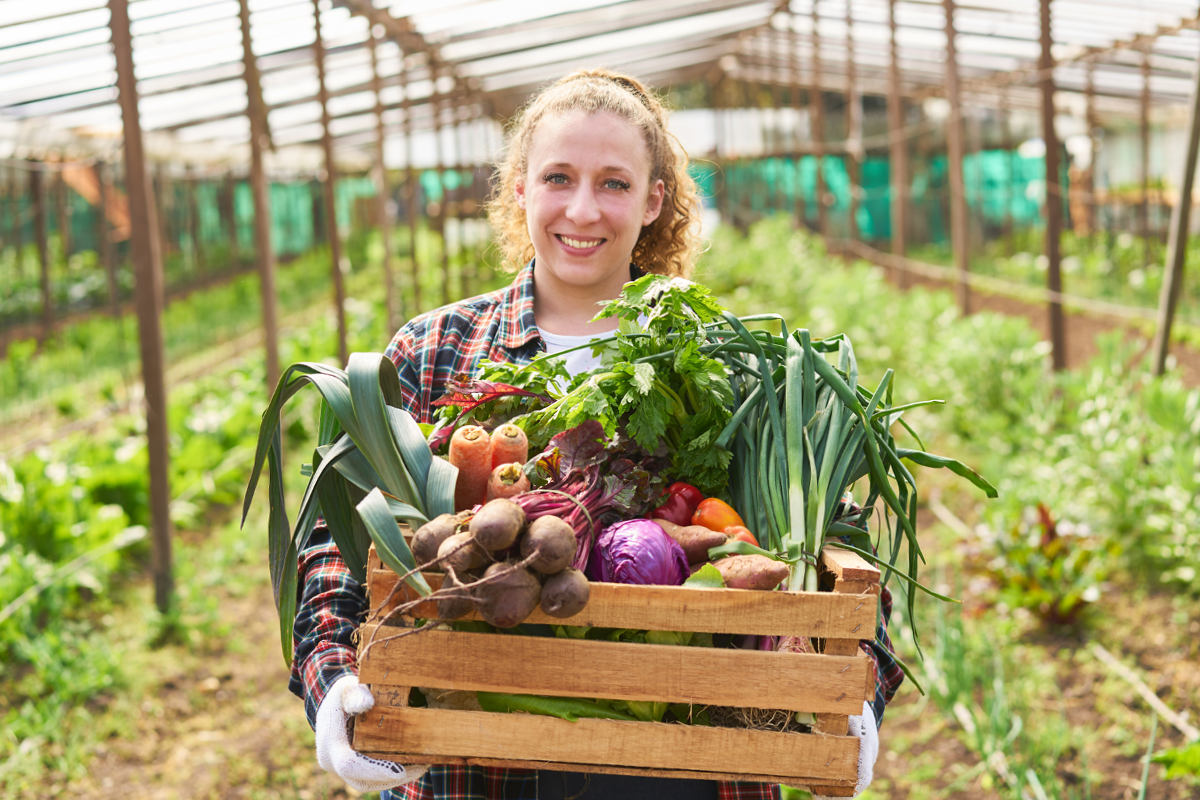
Using the resources you already have at home or in your backyard, you can create realistic and flexible ways to generate income and share your passions with others. Do you have a garden that could be expanded beyond your personal use to grow more produce or sell cut flower bouquets at your local farmers market? Maybe you have a backyard chicken coop and could sell eggs at a roadside stand. If you’re already canning vegetables and making homemade salsa, why not produce extra to sell?
Whatever your passion, consider how you can build on it. Determine how you will fit the activity into your existing daily routine, and how much time you are willing to dedicate to it. Avoid taking on too much at once and instead start small and see where it leads. Generating a farm income doesn’t require large acreage or a full-time commitment. Small, manageable efforts can grow into meaningful income! Whether your operation remains a hobby or evolves into a full-time business, part-time farming is a great way to start, learn, and potentially grow.
Utilize the resources available to you
You may be surprised by just how many resources are available to those just getting started on their farming journey. GreenStone offers part-time farm financing for land, equipment, building improvements, livestock, and more. Working with a lender who specializes in agricultural operations of all sizes is incredibly beneficial when it comes to determining the right solution for supporting your farming activity. Maybe you purchase recreational land and wonder what it would take to start growing some produce; GreenStone has you covered as well.
Our CultivateGrowth program also offers grants, education, and mentorship designed to support young, beginning, and small farmers and help the next generation of agriculture succeed – from part-time operations to full-time agribusinesses.
The Beginning Farmer Resource and Decision-Making Guide from Michigan State University Extension also offers valuable resources to help new farmers and decision-makers get started on their farming journey.
Don’t be afraid to seek out the advice of others who have found success in their own part-time farming operations as well. Regardless of where you are starting from, there are producers who have been where you are, and many are happy to share what they’ve learned.
What you should know before you start selling
Before you start selling a product of any kind, it’s important to review your local laws and regulations to ensure you can operate legally. This could mean acquiring a business permit, researching ordinances around setting up a roadside farm stand, expanding your garden, or learning the requirements for selling your products at your local grocery store or farmers’ market. If you plan on selling nonperishable, edible items such as baked goods or canned items directly from your home, investigate cottage food law regulations. Oftentimes there are legal provisions that make it simpler to operate these businesses, allowing you to avoid as much red tape as possible – at least when you are starting out.
Ensure your farming activities meet all township and municipal compliance requirements. Your state may also have specific regulations to follow as well.
No matter the scale of your operation or the activity you are pursuing, registering your business can be as simple as registering with state and local governments under a “Doing Business As” name or DBA. This is an easy, low-cost way to operate your business without forming an LLC or other formal business entity. If you seek more specific advice, speaking with an attorney or utilizing any number of reputable online legal services providers is a good option.
Collaborate and grow
How do you plan on sharing your products or services with others? Marketing your business will look different depending on your goals for your operation! Consider teaming up with friends or neighbors who are already selling their own products. Maybe there is already a nearby farm stand where you could sell honey, produce, or eggs from, or a local bakery or business would be happy to carry your fresh cut flower bouquets. Building relationships with those in your community early on can lead to more opportunities for collaboration and growth in the long run.
You may even be able to exchange resources with other local part-time farmers. If one of your neighbors already has the equipment you need to expand your garden, consider how you could exchange goods or services to support each other’s small businesses.
Try it and see what works!
There are no rules when it comes to part-time farming or sharing what you love with your local community. Sometimes the best way forward is to simply try something and see what works. Whether you aim to sell a few loafs of sourdough at your farmer’s market or establish an operation that can eventually grow into your full-time gig, the sky is the limit.
No matter the size of your operation, GreenStone is here to help. We offer resources, specialized lending, and financial services to help your farm thrive, whether it’s five or 5,000 acres!
Connect with your local branch today to learn more about our part-time farm financing options!
This article was originally published in Michigan Farm News.
We’re here to help.
With locations across Michigan and northeast Wisconsin, we’re here when you’re ready to talk.