


Partnering with Your Lender Through Changing Farm Practices
Farming is an ever-changing industry. As you know, it takes persistence, resilience, and unwavering determination to build a thriving farming operation. As agriculture continues to evolve due to changing markets, new technology, fluctuating weather patterns, and consumer demands, producers continue to adapt and reinvigorate their business practices. If you’re considering diversifying your income streams or incorporating additional ways to add value to your operation, here are important topics to speak to your lender about beforehand.
Communicate the changes being made
No matter the updates you plan to make, it’s important to bring your lender into the conversation even in the early stages of planning. Are the changes you’re making going to impact the scale of your operation? Maybe you’re considering renting more land or have decided to streamline your operation and focus your efforts on a select number of commodities. Perhaps you’re considering improving your efficiency through additional processing equipment or would like to implement more sustainability practices on your farm. No matter the updates you’ll be making to your operation, make sure your lender has a thorough understanding of your plans, and the “why” behind your changing farming practices.
Consider the financial impact on your farm
Any change to your business practices, big or small, will have a financial impact. When working with your lender on implementing these changes, there are several financial checkpoints you should evaluate.
Consider any upfront costs of getting started with the new business practice. This could include any equipment you don’t already own or have access to, additional infrastructure or labor, different inputs like seed or fertilizer, or any other costs associated with integrating new processes into your operations.
If you have an operating line, evaluate the impact any changes will have on your working capital. Will you need to increase your line of credit to cover the upfront expenses of implementing a new business practice? Have you considered the timing of cash-flow, especially if you expect to see delayed payback from this new activity? These are all important conversations to have with your lender, who can help you determine the right solution.
Are these changes the right fit for your operation?
Whenever you’re making decisions that will impact the structure of your business, it’s important to evaluate how those changes will affect your operations in the long run. Are the changes you’re making complimentary to your existing business activities, or are they something completely new that requires an updated business model? How much of your daily operations will you need to change? Do your plans make sense with your long-term goals for your farm?
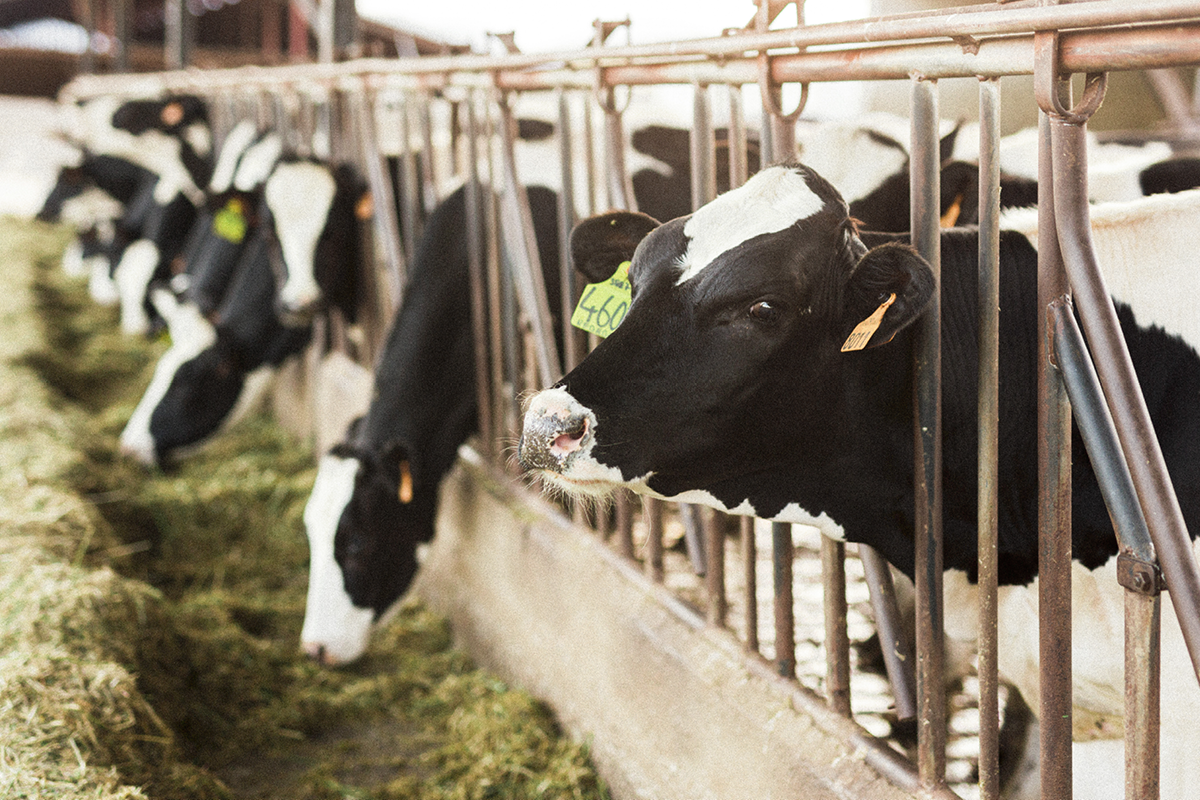
In recent years, dairy farmers have become more intentional with their breeding decisions while looking for ways to maintain their margins and avoiding an overabundance of replacement heifers in their herd. As a result, beef-on-dairy breeding has become a popular way for dairy farmers to see a faster return on investment on day-old calves.
Additionally, many farmers have integrated direct marketing into their business models through farmer’s markets, farm stands, online stores, or U-pick operations. Marketing directly to consumers provides many benefits such as stronger relationships and connections to consumers while eliminating the expense of a middleman. However, before jumping all-in on a new way to diversify revenue such as these examples, it’s important to consider the costs of implementing a new marketing strategy to determine if it will pay off in the long run.
Does your farm have bandwidth to try something new?
Implementing changes also comes down to your operation’s capacity to incorporate additional expenses, logistics, and time dedicated to another activity. Your lender can help you review benchmarks like market demand, resource availability, time commitment needed, and what your strategy is if market demand softens. That’s why starting the conversation as early as possible with your lender will help you develop a strategic and thorough plan.
Work with a team of experts
No matter what your goals are for your farm, it’s important to bring your lender into conversation as soon as possible. Working with an experienced agricultural lender like GreenStone can help you determine what the right move is for your farm. Our team of specialized lending experts are here to help guide you through the process of integrating new business practices into your farming operation.
This article was originally published in Michigan Farm News.
We’re here to help.
With locations across Michigan and northeast Wisconsin, we’re here when you’re ready to talk.