






The Spring Dance with MOOD TV
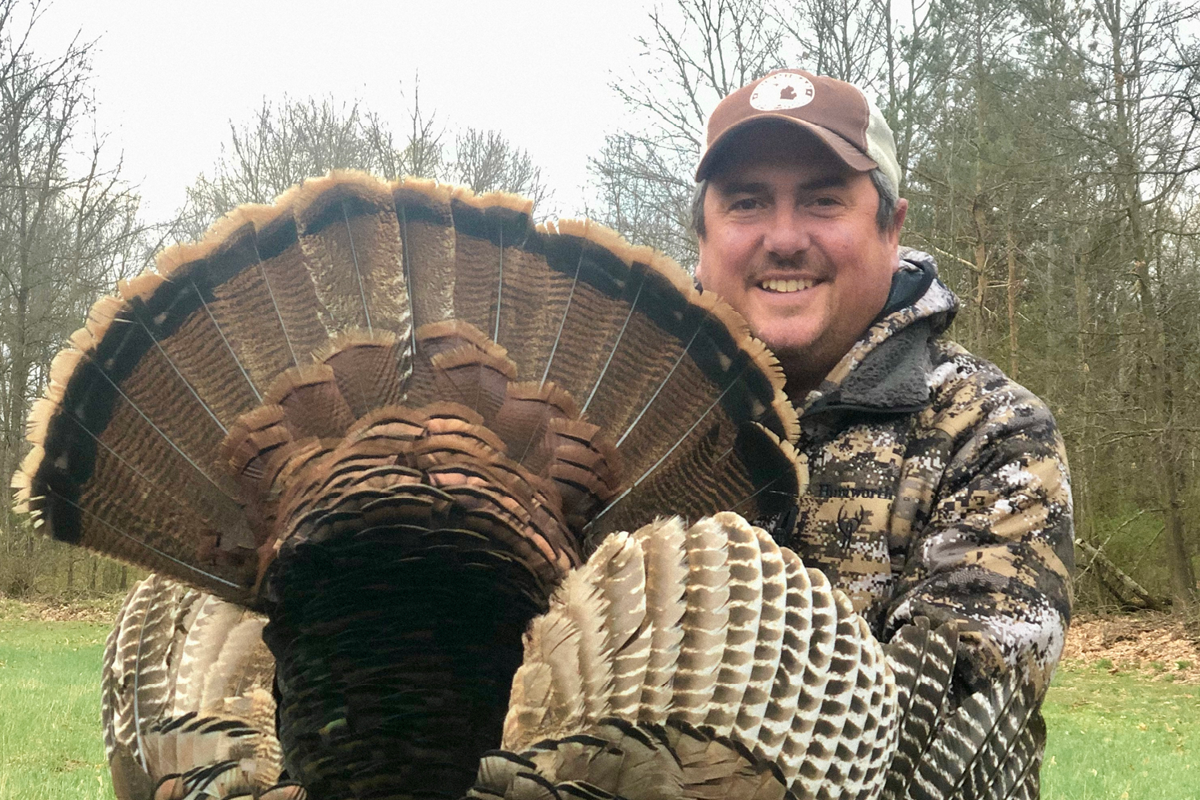
By the time you read this, the “official” start of spring on March 20 is well behind us. Here in Michigan, that date often means very little in the big picture and this year was so different, as we were once again still shaking off the last of the winter snow and enduring those stubborn April flakes. But for the Michigan outdoorsman, spring doesn’t arrive with a date on a calendar—it arrives with the opening of turkey season.
The 2026 spring season kicks off on April 18 for many hunters across the state. It’s a tradition that has grown into a significant success story since Michigan’s first modern spring hunt in 1968. What started with just a few hundred birds harvested has blossomed into a premier hunting event, with roughly 37,000 birds taken last spring alone.
It is easy to take these numbers for granted, but the resurgence of the wild turkey is one of the more impressive turnarounds in our state’s history. At the turn of the 20th century, you couldn’t find a wild turkey anywhere in Michigan due to unregulated hunting and habitat loss. It wasn’t until the 1950s that the Department of Conservation (now the DNR) purchased 50 birds from Pennsylvania and released them in Allegan County. From those original 50, our population has expanded to over 200,000 birds today, proving that these birds are as resilient as the hunters who chase them.
Part of that resilience comes from the turkey’s incredible senses. A wild turkey has a field of vision of about 270 degrees and can detect the slightest movement from hundreds of yards away. Their hearing is equally sharp; a tom can pinpoint the exact location of a hen’s yelp from half a mile off through thick timber. Although at times turkeys can seem rather oblivious, when threatened or on high alert their senses make them very difficult to hunt.
Spring is a time of rebirth, when the woods finally come alive. The dark grey landscape starts to pop with color and rings with one of the best sounds in nature: the echoing gobble of a tom turkey. Whether you are in the Upper Peninsula, the northern lower, or southern Michigan, these birds are out there, each region offering its own unique set of challenges.
Birds in the Upper Peninsula of Michigan can be harder to find, but because they aren’t as densely concentrated they can sometimes be called in a little easier. The northern lower, for many years, was considered the best spot for huntable birds, but the population has slowly shifted toward the “land of plenty” in the southern lower. However, more birds doesn’t equate to an easy hunt. In the southern regions, getting a tom to leave his “harem” of ladies for a hunter’s call is a challenge, to say the least. But that’s exactly what makes turkey hunting so great—you’re in a conversation with a bird, trying to get him to do the exact opposite of what nature intended.
Typically, a tom or jake gobbles from his roost to let the hens know where he is, and the hens come to him. As hunters, we try to sound like a lonely hen to lure the male toward us. Essentially, turkey hunting is like a junior high dance: the boys are desperate to find a girl, and the sound of a call might just coax him over to take a look. But the ladies hold all the cards—a hen may decide to leave the dance at any moment, pulling every tom in the area along with her.
In this dance, your call is often more important than how good you sound. Whether you’re using a box call, a slate, or a mouth call, they all have their place in this ever-changing ritual. It’s hard to describe the joy of chasing these birds. But when the dance is played just right and the conversation goes well, it’s as good as a spring morning can be in Michigan’s great outdoors!
To view the rest of the 2026 spring Partners articles please click here.
We’re here to help.
With locations across Michigan and northeast Wisconsin, we’re here when you’re ready to talk.