





Financial Planning Tips for Young, Beginning, and Small Farmers

Effective financial planning is essential for keeping your farming operation running smoothly and helping you achieve your goals. Not sure where to begin? Here are four tips to improve your financial planning strategy as a young, beginning, or small farmer and ensure you are on track to reaching both your short- and long-term goals.
1. Seek Support and Mentorship
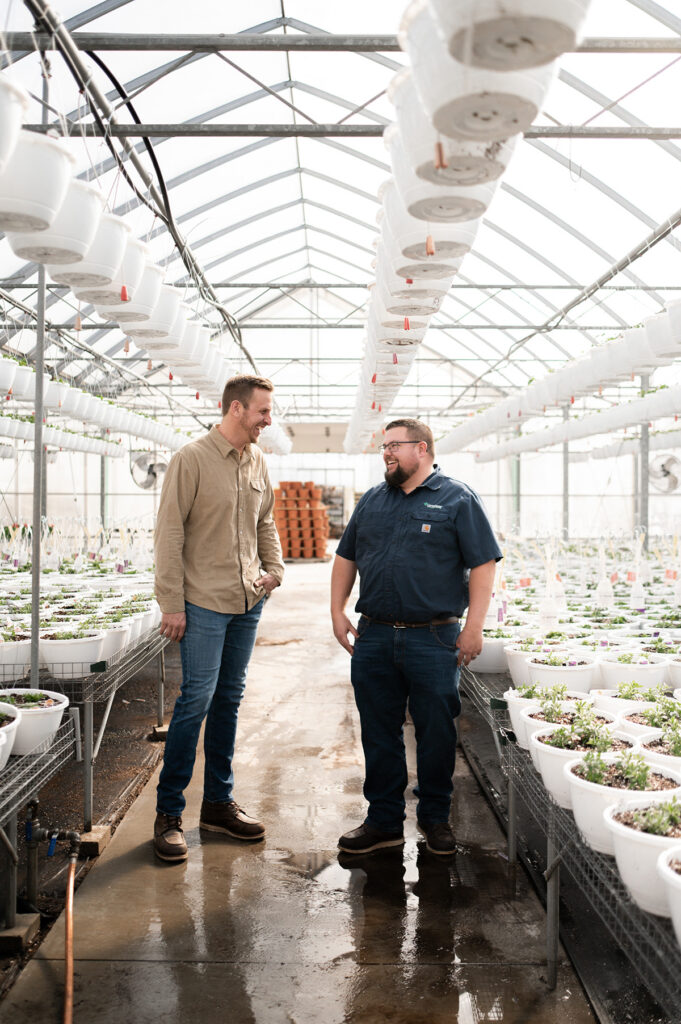
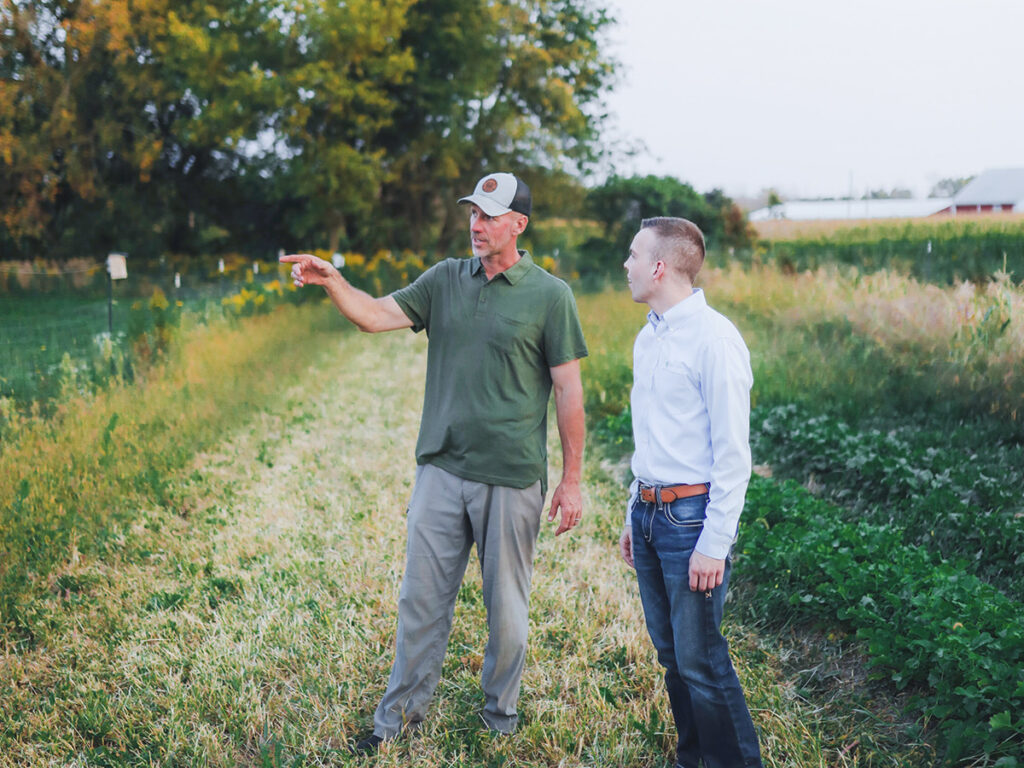
One of the most valuable things you can do is surround yourself with experienced mentors who are willing to share what they’ve learned throughout their years of farming. Many experienced farmers are more than willing to help the next generation get started through sharing what they’ve learned along the way. Consider getting connected with local farms to learn from – or better yet, see what help they may need on their farm and build a partnership that is mutually beneficial for both parties.
Many beginning farmers find one of the biggest barriers to entry is access to the equipment needed to get started. By partnering with a local farmer, you could agree to provide free labor in exchange for use of their equipment for your operation. Embracing community is essential when starting out as a beginning farmer.
Look into what local resources are available to help you succeed. Is there an agricultural co-op in your area? If so, it may be an opportunity for you to participate with local farmers who pool their resources and knowledge. If you need help finding a mentor, GreenStone’s CultivateGrowth mentorship program can connect you with an experienced farmer. The program also offers grants, educational resources, and more for young, beginning, and small farmers.
2. Set Goals that Match Your Vision
It’s important to define the “why” behind your farming goals. Where do you see yourself in a year? What about five or ten years? Don’t be afraid to ask if your goals for your farm are aligned with your lifestyle or what you want your lifestyle to look like. Are you planning on farming full-time? Are you comfortable with farming being your primary source of income? What level of risk are you comfortable with?
Consider how your plans for your farm align with your long-term vision. Remember, bigger isn’t always better! When it comes to planning for the future of your farm, prioritize efficiency over expansion. Just because you can increase your herd size or acres farmed, does it really make the most sense for your farm? Look into investments that could help improve your current processes while maximizing your output.
Don’t be afraid to adjust your goals to match your current capacity. As your circumstances evolve, so will your plans. Don’t be afraid to adjust your plans or change them entirely as your goals are accomplished, or change.
3. Use Financial Experts as a Resource
When it comes to looking at your farm’s financials, open communication with your lender is key. The more information you can provide up front, the more they will be able to help you determine the best solutions for your unique needs. Get started by working with a lender who understands the ins and outs of the agriculture industry.
It’s important to meet annually with your lender. This will provide a snapshot of your financial performance throughout the past year and help you evaluate anything that needs to be addressed. Are there any operating costs that can be improved upon or cut back? Your lender can help you review these metrics, so you can make more informed decisions that move you closer to your goals.
Your lender will likely ask to look over these three documents to get a better understanding of your financials:
- Current balance sheet
- Prior year’s tax returns
- Financial projection for the upcoming year- if you do not have these documents completed, don’t worry! Bring in as much information as you can, and your lending team can help refine them.
4. Know Your Risk Tolerance
Part of preparing your farm’s finances for the year ahead is assessing your risk tolerance. Consider how a loss could impact your farm and your goals for the future, whether that be through damaged crops or a dip in market prices.
Many beginning farmers are not in a position to face a loss within their first few years of their operation. Working with a crop insurance agent to receive up to date evaluations on your risk and understand subsidy amounts will help mitigate your risk for unexpected losses or damage to your crops.
Crop insurance coverage can be more affordable than you might think. Through USDA, young, beginning, and small farmers are eligible for certain benefits designed to help start your operation. Crop insurance coverage can potentially save you from having to experience a major financial loss within your first few years of farming due to circumstances that are out of your control.
Financial planning for your farm may seem daunting when you’re just starting out. It’s important to know there are a wide range of resources and tools available to help you succeed. Connecting with the right community of mentors and financial experts will play a critical role in your progress. You’re not alone! GreenStone offers expertise, resources, and support to help you move forward with confidence and ensure your farm is positioned for continued success.
This article was originally published in Michigan Farm News.
We’re here to help.
With locations across Michigan and northeast Wisconsin, we’re here when you’re ready to talk.