


Sustaining a Legacy in Michigan’s Forests
For Dana Welch, logging isn’t just a career – it’s a family legacy rooted deep in northern Michigan’s forests. As part of the second generation at Welch Land & Timber Inc., Dana spends her days helping shape the industry’s future while honoring the foundation her father built decades ago.
Welch Land & Timber was founded in 1976 by Dana’s father, Dan, who started the operation with nothing but himself and a chainsaw. Over the decades, he grew the business into a respected logging company with a full crew and fleet of trucks. Today, Dana’s brother, Aaron, continues that legacy as a second-generation logger, running the day-to-day production side of the business.
In 2018, Dana returned home to take over her mother’s office duties, expanding them into what she now calls the “soft side of the business” handling financials, payroll, insurance, and HR. While her work happens behind-the-scenes, it requires precision, consistency, and hard work to keep the business grounded and allows Aaron to focus on production in the field.
Beyond the office, Dana actively advocates for the timber industry, serving on both the Great Lakes Timber Professionals Board and the Michigan Master Logger Board, recognizing the crucial need for voices representing forestry in both Lansing, Mich. and Washington, D.C.
“If we don’t tell our story to the public and legislatures, somebody else will,” Dana said.
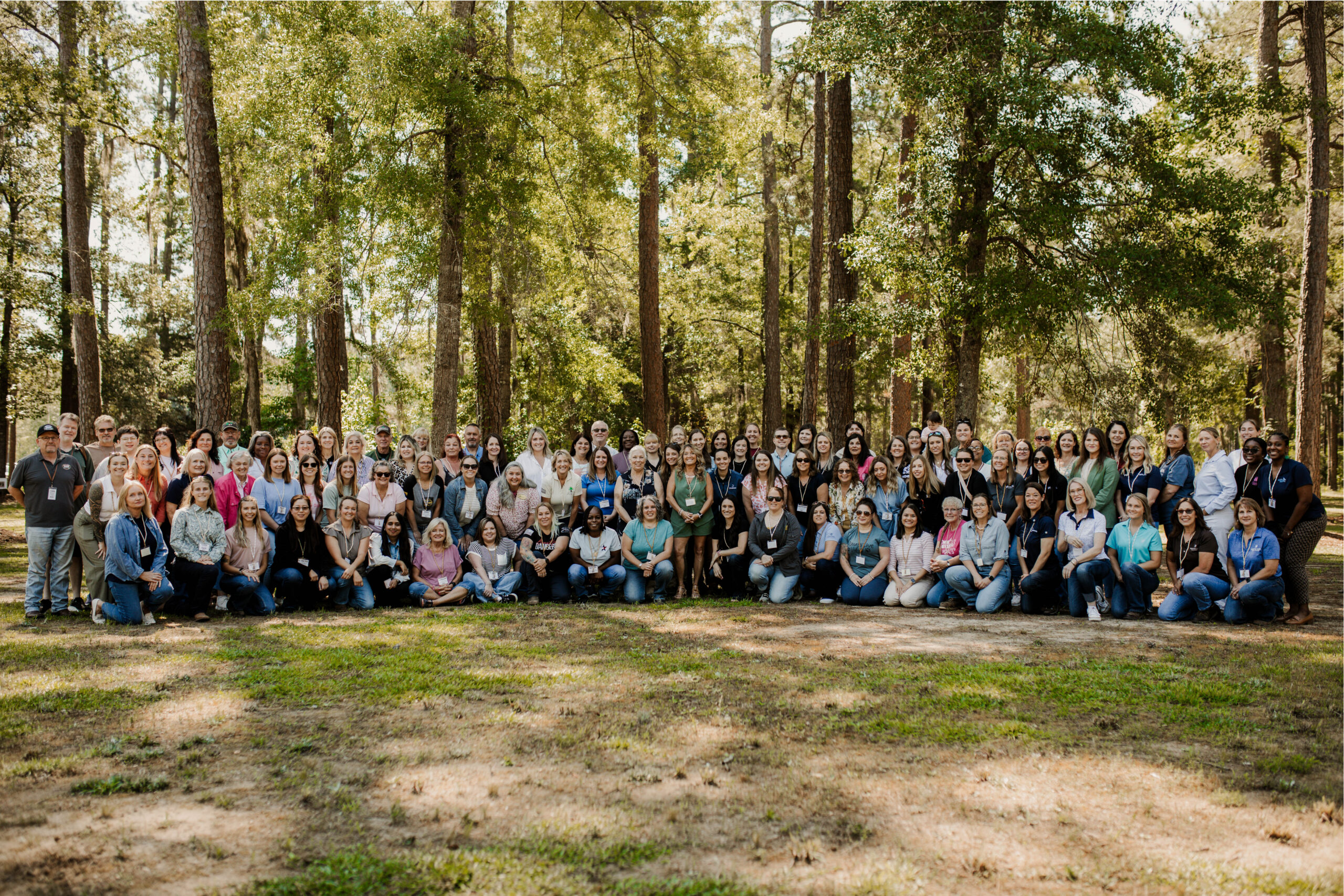
Welch Land & Timber’s relationship with GreenStone began in 2020 through equipment financing. While attending GreenStone’s annual CultivateGrowth conference, Dana learned about the CultivateGrowth grant – a program providing financial support to offset the costs of continuing agricultural education. Encouraged by the opportunity, she applied for and received a grant that helped her attend the National Association of Women in Timber (NAWT) conference in Georgetown, S.C.
Dana traveled to the event with a group of fellow Midwestern women in forestry known as the “Ponsse Ladies.” Going into the conference, she expected an environment like the timber gatherings back home – composed mostly of wives and daughters of local logging and sawmill families. Instead, the event gave her a whole new perspective.
“It was eye-opening,” Dana said. “We were in the minority. Many corporate women worked for large pulp mills and land management firms, along with several women foresters. It was encouraging to see so many younger generations attending.”
The conference also highlighted how timber practices differ regionally. In the Midwest, loggers typically cut wood to precise lengths in the woods and haul distinct products to separate local buyers. In the Carolinas, crews frequently haul the whole tree to a central mill. During a field tour, Dana got a firsthand look at Southern harvesting equipment in action and visited a conservation site being prepared for replanting.
Back in Alcona County, Mich. Welch Land & Timber keeps its operations grounded in community. The team operates within a five-county, one-hour radius, so their six full-time employees and part-time drivers can go home to their families every night. Benefit-rich local relationships are key; located in what Dana calls an “Amish wood basket.” Most of their wood stays close to home, supplying local pulp, pallet, and tie mills.
For Dana, continuous learning and attending industry events reinforce a core message she shares everywhere she goes – sustainable forestry is essential.
“We really are one of the greenest industries out there, but few people realize it,” Dana said. “Every part of the tree is used – even tops left behind return nutrients to the soil and create a better habitat. Tree byproducts end up in everyday items like toothpaste, shredded cheese packaging, and plastic pens. Trees touch all parts of our lives, and they’re sustainably harvested and renewable.”
Thanks to GreenStone’s CultivateGrowth grant, Dana connected with peers across the country, and gained valuable industry knowledge and new perspectives that further strengthened her commitment to her family and the Michigan forestry industry.
We’re here to help.
With locations across Michigan and northeast Wisconsin, we’re here when you’re ready to talk.